
 By
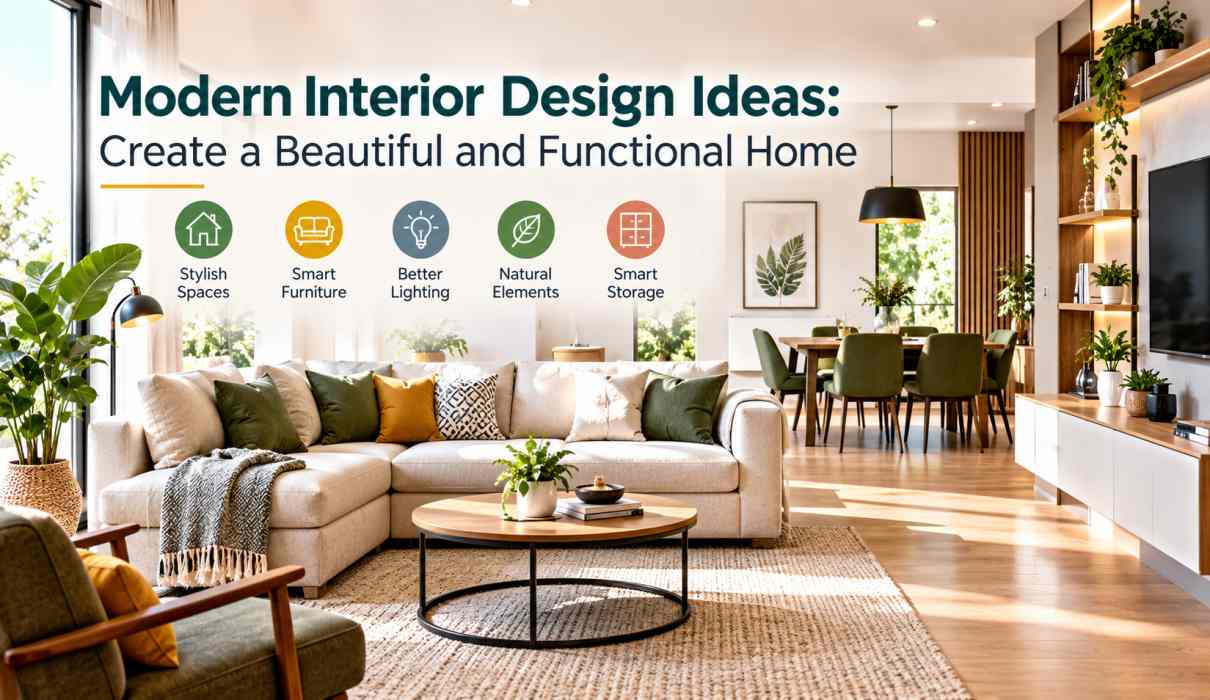
By Modern Interior Design Ideas: Create a Beautiful and Functional Home
A beautiful home is more than a collection of stylish furniture and attractive decorations. The best interiors combine comfort, functionality, personality, and visual appeal to create spaces that work well for everyday life. Modern interior design focuses on exactly this balance, using thoughtful layouts, clean lines, practical furniture, natural materials, smart storage, and carefully selected colors.
Whether you are decorating a new home, renovating an apartment, or simply refreshing one room, modern interior design ideas can help you create a space that feels comfortable and organized. You do not necessarily need an expensive renovation to achieve a modern look. Small changes in furniture placement, lighting, colors, storage, and accessories can make a noticeable difference.
This guide explores practical modern home interior design ideas that can help you create a beautiful and functional home while making the most of your available space.
What Is Modern Interior Design?
Modern interior design is centered around simplicity, functionality, and clean visual composition. It often uses uncluttered spaces, simple furniture shapes, neutral or balanced color palettes, natural textures, and practical layouts.
Modern does not mean that every room must look cold or minimal. A modern home can be warm, comfortable, colorful, and highly personal. The goal is to create an interior where every major element has a purpose.
Common characteristics of modern interior design include:
- Clean and simple lines
- Functional furniture
- Open and uncluttered layouts
- Neutral base colors
- Natural materials and textures
- Layered lighting
- Smart storage solutions
- Carefully selected decorative elements
- A balance between comfort and style
The most successful modern interiors avoid unnecessary visual clutter while still feeling welcoming.
Start With a Functional Floor Plan
Before purchasing furniture or choosing decorative items, think about how each room will be used.
A good floor plan should allow people to move comfortably through the space. Furniture should not block doorways, windows, balconies, or major walking paths.
For example, in a living room, consider the relationship between the sofa, television, coffee table, and other seating. In a bedroom, make sure there is enough space around the bed to move comfortably and access storage.
Ask yourself:
- Who will use the room?
- What activities will happen there?
- How much storage is needed?
- Where should natural light enter?
- What furniture is essential?
- Which areas need to remain open?
Planning the layout first can prevent expensive mistakes later.
Choose a Simple and Balanced Color Palette
Color has a major influence on how a home looks and feels. Modern interiors often begin with a neutral base such as white, beige, cream, gray, taupe, or soft earthy tones.
These colors can create a calm background that allows furniture and decorative details to stand out.
You can then introduce accent colors through:
- Cushions
- Curtains
- Rugs
- Artwork
- Decorative objects
- Plants
- Accent chairs
- Feature walls
If you prefer stronger colors, use them selectively rather than covering every surface. A deep green, navy blue, terracotta, charcoal, or muted yellow can add personality while maintaining a modern appearance.
Create a Stylish Modern Living Room
The living room is often the central social space in a home, so it should balance comfort and style.
Start with a comfortable sofa that suits the size of the room. Avoid choosing furniture simply because it looks attractive in a showroom. Measure the available space before purchasing large pieces.
A modern living room can include:
- A streamlined sofa
- Simple coffee table
- Comfortable accent chair
- Area rug
- Floor or table lamps
- Wall artwork
- Indoor plants
- Functional storage
Keep the arrangement conversational and make sure there is enough space to walk around the furniture.
Instead of filling every wall with decorations, select a few meaningful pieces that complement the overall design.
Make the Bedroom Comfortable and Calm
A bedroom should prioritize rest and comfort while maintaining a cohesive design.
Choose a bed that fits the room without overwhelming it. Keep the color palette soothing and avoid excessive decoration.
Modern bedroom ideas can include:
- Upholstered or wooden headboards
- Built-in wardrobes
- Bedside tables
- Layered lighting
- Soft curtains
- Comfortable bedding
- Neutral colors
- Minimal decorative accessories
Consider using warm lighting around the bed instead of relying only on a bright ceiling fixture.
Storage is also important. A clean and organized bedroom generally feels more relaxing than a room filled with visible clutter.
Design a Functional Modern Kitchen
Modern kitchen design combines efficient organization with attractive finishes.
The kitchen should be planned around the activities that happen most often, including food preparation, cooking, cleaning, and storage.
Useful features can include:
- Spacious countertops
- Organized cabinets
- Pull-out storage
- Drawer organizers
- Open shelving used selectively
- Built-in appliances
- Under-cabinet lighting
- Easy-to-clean surfaces
Choose finishes according to your lifestyle. A kitchen that looks beautiful but is difficult to maintain may not be practical for everyday use.
If you have a small kitchen, use vertical storage, light colors, reflective surfaces, and compact appliances to make the room feel more spacious.
Use Lighting to Transform Your Interior
Lighting is one of the most overlooked aspects of home interior design. Even a beautifully furnished room can feel dull if the lighting is poorly planned.
Modern interiors often use three layers of lighting:
Ambient lighting: Provides general illumination.
Task lighting: Helps with specific activities such as cooking, reading, or working.
Accent lighting: Highlights artwork, architectural details, shelves, or decorative features.
Natural light should also be used wherever possible. Keep windows clear of unnecessary obstruction and select curtains that allow daylight into the room when privacy permits.
Warm lighting can make living rooms and bedrooms feel more comfortable, while brighter task lighting can be useful in kitchens and work areas.
Add Smart Storage Solutions
Storage is essential for creating a functional home. One of the easiest ways to make an interior look more modern is to reduce visible clutter.
Consider:
- Built-in wardrobes
- Storage beds
- Wall-mounted cabinets
- Floating shelves
- Multi-purpose furniture
- Entryway storage
- Under-stair cabinets
- Hidden storage compartments
Use closed storage for items that do not need to remain visible. Open shelves can then be reserved for books, artwork, plants, and selected decorative pieces.
When every item has a designated place, maintaining an organized home becomes easier.
Make Small Spaces Feel Larger
Small homes and apartments can still have excellent interiors with the right design choices.
Choose furniture according to the scale of the room. Oversized sofas or large cabinets can make a compact space feel crowded.
Some effective small home interior design ideas include:
- Use light or balanced colors
- Select multi-functional furniture
- Use vertical storage
- Keep walking areas clear
- Add mirrors strategically
- Choose furniture with visible legs
- Use consistent flooring where practical
- Avoid excessive decoration
Mirrors can reflect light and create a greater sense of visual depth. However, they should be positioned thoughtfully rather than added simply because the room is small.
Choose Furniture That Combines Style and Function
Modern furniture should do more than look attractive. It should support the way you live.
A storage ottoman, extendable dining table, sofa bed, nesting tables, or bed with drawers can provide additional functionality without requiring extra floor space.
Before buying furniture, consider:
- Dimensions
- Comfort
- Material
- Maintenance
- Durability
- Storage capacity
- Flexibility
- Overall design
Quality does not always mean choosing the most expensive product. The goal is to select furniture that provides long-term value and suits your needs.
Bring Nature Indoors
Indoor plants can add color, texture, and freshness to modern interiors.
You can use plants in:
- Living rooms
- Balconies
- Bedrooms
- Kitchens
- Home offices
- Entryways
Choose plants according to the available natural light and your ability to maintain them.
If you do not have much time for plant care, select low-maintenance varieties or use a small number of high-quality artificial plants.
Natural wood, stone, bamboo, cotton, linen, and woven materials can also add warmth to an otherwise minimalist interior.
Create a Modern Home Office
With remote and hybrid work becoming common for many people, a dedicated home workspace can improve productivity and organization.
A modern home office does not need to occupy an entire room. A well-designed corner can be enough.
Consider including:
- A comfortable desk
- Ergonomic chair
- Good task lighting
- Cable management
- Storage shelves
- Neutral background
- Personal decorative elements
Position the desk where you can work comfortably without constant distractions. If possible, take advantage of natural daylight.
Use Wall Décor Carefully
Blank walls can make a room feel unfinished, but covering every wall with decorations can create visual clutter.
Instead, create one or two focal points.
Ideas include:
- Large artwork
- Gallery wall
- Decorative mirror
- Textured wall panel
- Floating shelves
- Feature wall
- Statement clock
Choose artwork that reflects your personality rather than selecting pieces only because they are currently fashionable.
Add Texture for Warmth
Modern design can sometimes appear too plain if everything has the same smooth finish. Texture helps create visual depth.
Combine materials such as:
- Wood
- Glass
- Metal
- Fabric
- Stone
- Ceramic
- Woven materials
For example, a clean-lined sofa can be softened with textured cushions and a comfortable rug. A wooden coffee table can add warmth to a room with glass and metal elements.
The key is balance rather than using too many materials at once.
Design a Modern Bathroom
Bathrooms can also benefit from simple and functional design.
Use easy-to-maintain materials and make storage a priority. Wall-mounted cabinets, floating vanities, recessed shelves, and mirrored storage can help maximize available space.
Modern bathroom design often works well with:
- Neutral tiles
- Simple fixtures
- Large mirrors
- Glass shower panels
- Layered lighting
- Minimal accessories
- Natural textures
Good ventilation is equally important for maintaining the condition of the room.
Create a Cohesive Interior
One of the biggest differences between a professionally designed home and a collection of individually decorated rooms is consistency.
You do not need every room to look identical. Instead, create visual connections through repeated colors, materials, finishes, or design details.
For example, if your living room uses warm wood and beige tones, you could introduce similar wood finishes or colors in the bedroom and dining area.
This creates a sense of flow throughout the home.
Personalize Your Interior Design
A modern home should still feel personal.
Add items that have meaning to you, such as:
- Family photographs
- Travel souvenirs
- Favorite books
- Handmade artwork
- Collectibles
- Traditional crafts
- Personal mementos
The goal is not to create a showroom. It is to create a home that reflects your lifestyle and personality.
Budget-Friendly Modern Interior Design Ideas
You do not need to renovate everything at once. If your budget is limited, prioritize changes that create the greatest visual and functional impact.
Start with:
- Decluttering
- Rearranging furniture
- Improving lighting
- Adding curtains or rugs
- Repainting walls
- Updating cabinet handles
- Adding indoor plants
- Improving storage
- Replacing outdated accessories
- Introducing artwork
A phased approach allows you to improve your home gradually without creating unnecessary financial pressure.
Common Interior Design Mistakes to Avoid
Even good design ideas can fail when they are poorly implemented.
Avoid choosing furniture without measuring the room. Do not use too many unrelated colors or patterns. Avoid blocking natural light with oversized furniture or heavy curtains.
Another common mistake is prioritizing appearance over functionality. A beautiful dining table that is too large for the room, for example, can make everyday movement difficult.
Finally, avoid copying an entire interior from a photograph. Use inspiration as a starting point and adapt the ideas to your home’s size, architecture, budget, and lifestyle.
Final Thoughts
Creating a beautiful and functional home is about making thoughtful choices rather than following every interior design trend. The best modern interior design ideas combine practical layouts, comfortable furniture, effective storage, balanced colors, good lighting, natural textures, and personal details.
Start by understanding how you use each room. Plan the layout before buying furniture, choose a cohesive color palette, maximize storage, and use lighting to create different moods. For smaller homes, focus on multifunctional furniture and vertical storage, while larger spaces can benefit from clearly defined zones.
Most importantly, your home should work for the people who live in it. Modern interior design is not simply about creating a stylish appearance—it is about creating an environment that feels comfortable, organized, practical, and genuinely yours.
With careful planning and a focus on functionality, even simple changes can transform an ordinary space into a beautiful modern home.