
 By
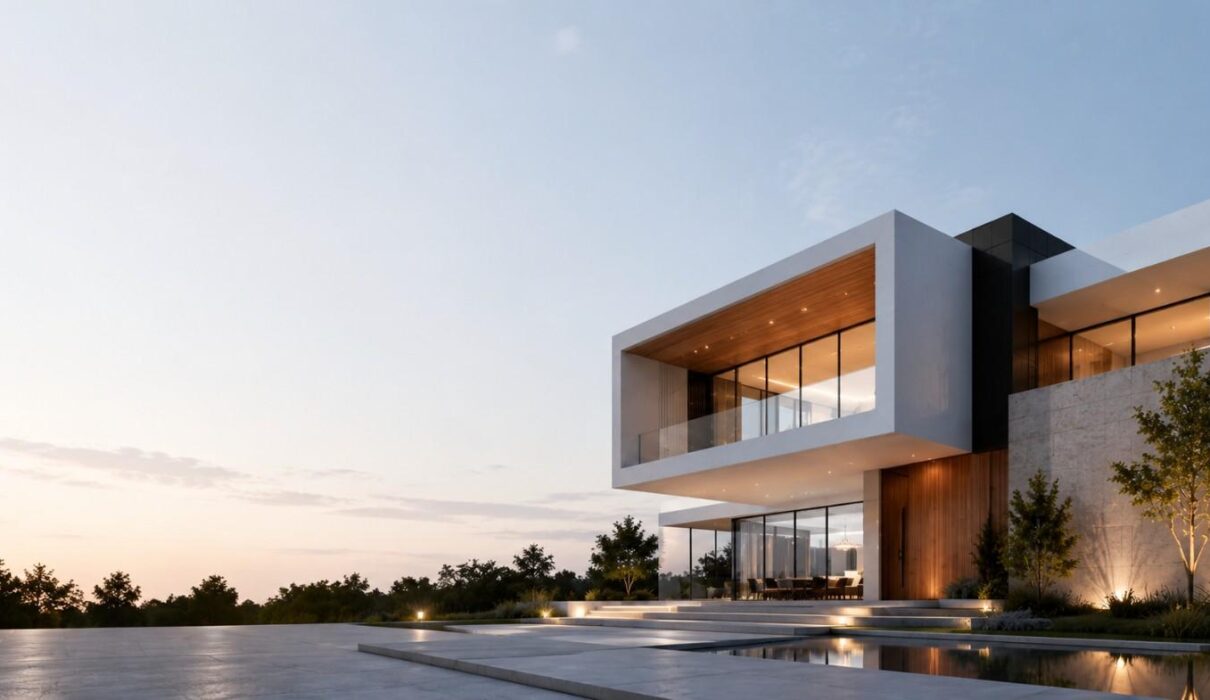
By Artificial Intelligence (AI) is no longer a futuristic concept in architecture—it has become an essential part of the modern design process. In 2026, architects, interior designers, real estate developers, and construction companies are increasingly using AI-powered tools to create smarter, faster, and more sustainable designs. From generating conceptual ideas to producing realistic 3D visualizations, AI is helping professionals improve creativity while reducing project timelines and costs.
As technology continues to evolve, AI is transforming every stage of architectural design. This article explores how AI is reshaping the industry, its key benefits, real-world applications, and why businesses are embracing AI-driven architecture in 2026.
What Is AI Architecture Design?
AI architecture design refers to the use of artificial intelligence to assist architects and designers throughout the planning, visualization, and development process. AI algorithms analyze design preferences, building regulations, environmental factors, and user requirements to generate intelligent design suggestions.
Instead of spending days creating multiple design concepts manually, architects can now produce several high-quality alternatives within minutes. This allows professionals to focus more on creativity, functionality, and client collaboration.
Modern AI tools support:
- Floor plan generation
- Exterior and interior design visualization
- 3D rendering
- Space optimization
- Sustainable building analysis
- Material recommendations
- Lighting simulation
- Landscape planning
Why AI Is Revolutionizing Architecture in 2026
The architecture industry has always relied on innovation. In 2026, AI has become one of the biggest technological advancements because it improves both creativity and productivity.
Traditional design methods often require multiple revisions before reaching the final concept. AI dramatically reduces this process by instantly generating multiple design variations based on specific project requirements.
This enables architects to:
- Deliver projects faster
- Improve client satisfaction
- Reduce repetitive work
- Explore more creative ideas
- Increase overall project efficiency
Whether designing residential homes, commercial buildings, offices, hotels, or mixed-use developments, AI is becoming an indispensable design assistant.
1. Faster Concept Development
One of the biggest advantages of AI is its ability to generate design concepts within minutes.
Instead of starting from a blank canvas, architects can input project details such as:
- Building type
- Plot dimensions
- Architectural style
- Number of floors
- Room requirements
- Design preferences
AI then produces multiple concept options that can be refined further.
This significantly speeds up the early stages of architectural planning.
2. Smarter Space Planning
Efficient space utilization is critical in modern architecture. AI analyzes room layouts, circulation paths, furniture placement, and functionality to create optimized floor plans.
Benefits include:
- Better room organization
- Improved natural lighting
- Enhanced accessibility
- Maximum usable space
- Reduced design errors
This is particularly useful for apartments, offices, hotels, and compact urban developments.
3. High-Quality AI Rendering
Architectural visualization has become much easier with AI-powered rendering. Instead of waiting several hours for traditional rendering software, AI can create stunning photorealistic images in just minutes.
Architects can quickly visualize:
- Exterior elevations
- Interior spaces
- Landscape designs
- Furniture arrangements
- Lighting conditions
- Material finishes
This helps clients better understand the final project before construction begins.
4. Sustainable Building Design
Sustainability remains a major priority in 2026.
AI helps architects create environmentally responsible buildings by analyzing:
- Sunlight exposure
- Wind direction
- Energy efficiency
- Material selection
- Carbon footprint
- Water management
These insights enable designers to develop greener buildings that consume less energy while improving occupant comfort.
5. Improved Client Collaboration
AI-generated visualizations make communication much easier between architects and clients. Rather than reviewing technical drawings, clients can instantly see realistic images of their future property.
This leads to:
- Faster approvals
- Better feedback
- Fewer misunderstandings
- Reduced redesign costs
Clients become more confident in the design process because they can visualize every detail before construction begins.
AI Is Making Architectural Visualization More Accessible
Previously, creating high-quality architectural renders required expensive software and experienced visualization specialists. Today, AI enables architects, freelancers, interior designers, and even property developers to produce professional-quality renders without extensive technical expertise.
This has made architectural visualization:
- Faster
- More affordable
- Easier to learn
- Accessible for small businesses
- Ideal for marketing presentations
As AI tools continue improving, even complex rendering workflows are becoming increasingly automated.
Benefits of AI in Architecture Design
AI offers advantages that extend far beyond speed.
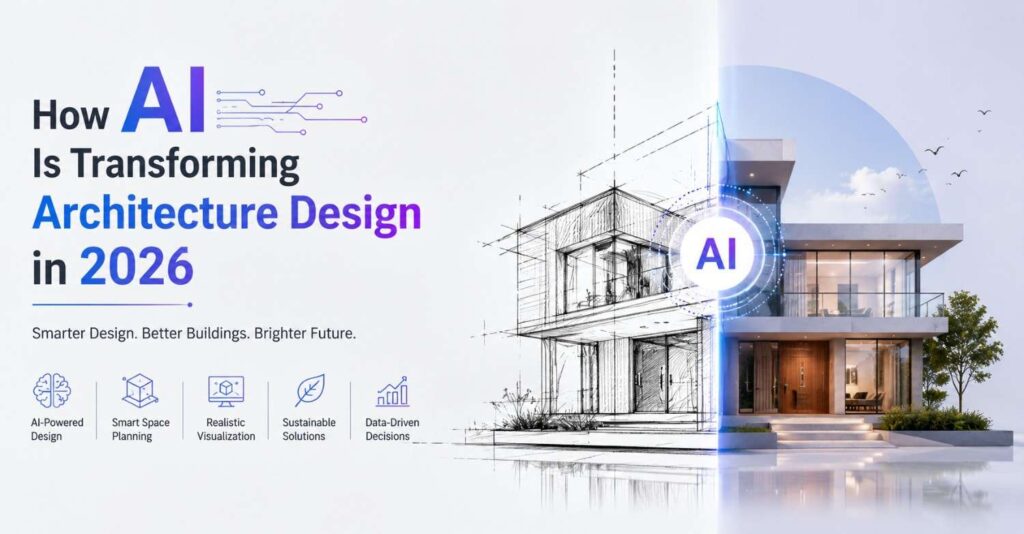
Some of the biggest benefits include:
- Faster project completion
- Reduced operational costs
- Increased design accuracy
- Better visualization quality
- Enhanced creativity
- Improved sustainability
- More efficient collaboration
- Easier design revisions
- Optimized building performance
- Greater client satisfaction
These benefits explain why AI adoption continues to grow across architecture firms worldwide.
Industries Benefiting from AI Architecture
AI is no longer limited to architectural firms.
Many industries now rely on AI-powered architectural design, including:
- Residential construction
- Commercial real estate
- Interior design
- Property development
- Hospitality
- Healthcare facilities
- Educational institutions
- Urban planning
- Retail architecture
- Industrial projects
As AI becomes more advanced, its applications continue expanding across the built environment.
Challenges of AI in Architecture
Although AI offers significant advantages, it does not replace human expertise.
Architects still play a crucial role in:
- Understanding client vision
- Applying local building codes
- Solving complex design challenges
- Ensuring structural feasibility
- Making creative decisions
- Managing construction documentation
AI should be viewed as a powerful assistant rather than a replacement for professional architects.
The best architectural projects combine AI efficiency with human creativity and experience.
Future Trends in AI Architecture
The future of architecture looks increasingly intelligent.
Emerging AI technologies are expected to introduce:
- Real-time generative design
- Voice-controlled design workflows
- AI-powered Building Information Modeling (BIM)
- Automated construction planning
- Smart city integration
- Predictive building performance analysis
- Virtual reality and AI collaboration
- Instant design optimization
- AI-assisted renovation planning
These innovations will further streamline architectural workflows while improving design quality and sustainability. In today’s competitive market, speed and innovation are essential.
Businesses that adopt AI-powered architecture tools can:
- Complete projects more efficiently
- Reduce design costs
- Deliver higher-quality visualizations
- Improve customer experience
- Stay ahead of competitors
- Increase profitability
As client expectations continue rising in 2026, AI is becoming a strategic advantage rather than an optional technology.
Conclusion
Artificial Intelligence is transforming architecture design in ways that were unimaginable just a few years ago. From rapid concept generation and intelligent space planning to photorealistic rendering and sustainable building analysis, AI is helping architects work smarter while unlocking new levels of creativity.
While human expertise remains irreplaceable, AI has become a valuable partner that accelerates workflows, improves accuracy, and enhances collaboration throughout the design process. As technology continues to evolve, firms that embrace AI-driven architecture will be better equipped to meet growing client expectations, deliver innovative projects, and remain competitive in the rapidly changing architectural landscape.