
 By
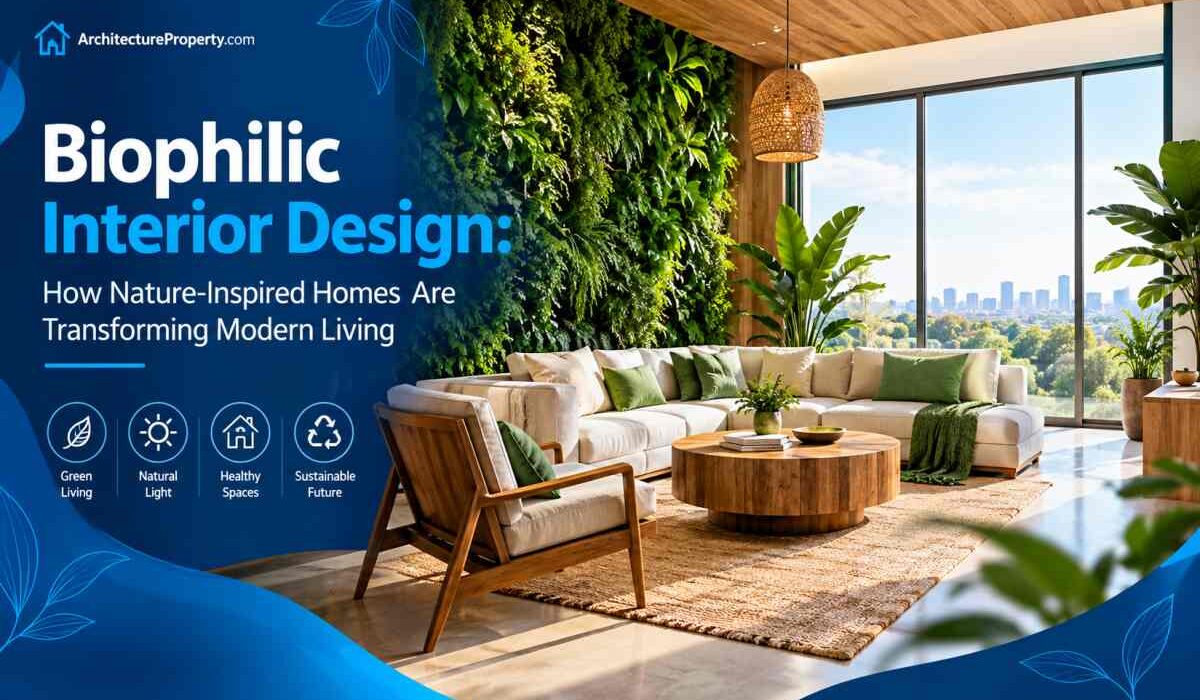
Biophilic Interior Design: How Nature-Inspired Homes Are Transforming Modern Living
Introduction
Modern interior design is experiencing a remarkable transformation as homeowners increasingly seek living spaces that promote comfort, sustainability, and a stronger connection with nature. One of the most influential approaches shaping contemporary homes is biophilic interior design, a design philosophy that integrates natural elements into indoor environments to create healthier, more peaceful, and visually appealing spaces.
As urban populations continue to grow, many people spend most of their daily lives inside buildings surrounded by artificial lighting, electronic devices, and manufactured materials. Biophilic design offers a refreshing alternative by introducing greenery, natural sunlight, organic textures, and nature-inspired architectural features into modern homes.
From indoor gardens and living walls to wooden furniture and open balconies, nature-inspired interiors are redefining residential design. This approach is particularly relevant in Indian cities, where apartment living and rapid urban development often limit direct access to natural surroundings.
Biophilic interior design is not simply about decorating a room with plants. It involves creating meaningful connections between people and nature through thoughtful spatial planning, sustainable materials, natural ventilation, and sensory experiences.
In this article, we explore the growing popularity of biophilic design, its benefits, essential elements, emerging trends, and practical ideas for transforming ordinary homes into nature-inspired living environments.
What Is Biophilic Interior Design?
Biophilic interior design is an approach that incorporates natural elements, patterns, materials, and environmental experiences into indoor spaces.
The word biophilia refers to the human tendency to connect with nature and living systems. In interior design, this concept encourages environments that reflect the beauty, diversity, and calming qualities of the natural world.
Unlike conventional interior decoration, which may prioritize visual appearance, biophilic design considers how indoor environments influence human experiences.
Essential Elements of Biophilic Design
The most important elements include:
- Indoor plants and natural greenery
- Abundant natural lighting
- Sustainable wood and stone materials
- Natural ventilation and fresh air
- Organic shapes and flowing patterns
- Water-inspired decorative features
- Earthy colours and natural textures
- Visual connections with outdoor landscapes
These features work together to create interiors that feel welcoming, balanced, and connected to nature.
A successful biophilic home design combines functionality with environmental awareness, allowing homeowners to enjoy modern conveniences while maintaining a natural atmosphere.
Why Biophilic Interior Design Is Becoming Popular
The growing interest in biophilic interior design reflects changing homeowner preferences and greater awareness of sustainable living.
1. Increasing Urbanization
Rapid urban development has reduced access to green spaces in many metropolitan areas.
As residential buildings become taller and apartments more compact, homeowners are exploring creative ways to introduce nature into their interiors.
Indoor gardens, balcony greenery, and vertical plant arrangements provide opportunities to incorporate natural elements without requiring large outdoor spaces.
2. Growing Interest in Wellness
Modern homeowners increasingly recognize that their surroundings can influence relaxation, concentration, and overall comfort.
Research suggests that exposure to natural environments and certain nature-inspired design features may support psychological well-being and stress recovery.
Biophilic interiors aim to create peaceful environments where residents can relax after demanding daily routines.
3. Demand for Sustainable Homes
Environmental awareness is encouraging people to choose responsibly sourced materials, energy-efficient lighting, and durable furniture.
Biophilic design often complements sustainable interior design by promoting natural materials and thoughtful use of environmental resources.
However, natural-looking materials are not automatically sustainable. Responsible sourcing, durability, manufacturing processes, and maintenance requirements must also be considered.
4. Changing Interior Design Preferences
Many homeowners are moving away from excessively decorative interiors toward spaces that feel authentic, comfortable, and timeless.
Natural textures, warm lighting, earthy colours, and handcrafted furnishings can create sophisticated interiors without overwhelming the available space.
Key Benefits of Biophilic Interior Design
Biophilic interior design offers several potential advantages beyond visual appeal.
Improved Mental Well-Being
Natural surroundings are frequently associated with relaxation and emotional comfort.
Introducing greenery, outdoor views, and natural materials may help create restorative indoor environments.
Although individual experiences vary, thoughtfully designed natural spaces can provide a welcome contrast to busy urban lifestyles.
Better Connection With Natural Light
Natural daylight helps make rooms feel open, bright, and inviting.
Well-positioned windows, skylights, and reflective surfaces can improve daylight distribution throughout a home.
Daylight also supports normal daily light-dark rhythms, although excessive glare and heat gain should be controlled.
Greater Indoor Comfort
Natural ventilation, appropriate shading, and climate-responsive layouts can contribute to comfortable indoor conditions.
Cross-ventilation and carefully positioned openings may reduce dependence on mechanical cooling during suitable weather.
These strategies should be adapted to local climate conditions, outdoor air quality, and building requirements.
Enhanced Visual Appeal
Natural wood, textured stone, indoor greenery, and organic shapes add depth and character to interiors.
They can soften the appearance of modern architecture while creating an inviting atmosphere.
Support for Sustainable Living
Biophilic design can encourage long-lasting furniture, efficient daylight use, and environmentally responsible material choices.
When combined with practical sustainability measures, these features can help reduce unnecessary resource consumption.
10 Biophilic Interior Design Ideas for Modern Homes
Creating a nature-inspired home does not always require expensive renovations. Small, thoughtful changes can significantly influence the atmosphere of a living space.
1. Introduce Indoor Plants and Greenery
Indoor plants are among the simplest ways to incorporate biophilic interior design.
Popular choices include money plants, snake plants, spider plants, peace lilies, and certain varieties of palms.
Plants can be displayed on shelves, window ledges, side tables, or dedicated plant stands.
Choose varieties according to available sunlight, humidity, maintenance needs, and household safety.
While plants contribute to visual comfort, ordinary houseplant arrangements should not be treated as substitutes for proper indoor ventilation or air filtration.
2. Maximize Natural Sunlight
Natural lighting plays a central role in nature-inspired interior design.
Large windows, light-coloured curtains, and carefully positioned mirrors can help distribute daylight.
Avoid placing oversized furniture directly in front of windows.
In hot Indian climates, exterior shading, blinds, and suitable glazing can help balance daylight with thermal comfort.
3. Use Natural Wood Furniture
Wood introduces warmth, texture, and organic character into modern interiors.
Wooden dining tables, cabinets, bed frames, and decorative panels can complement both contemporary and traditional styles.
Responsibly sourced timber, reclaimed wood, and durable engineered alternatives may be appropriate depending on the project.
Natural wood finishes also work beautifully with neutral walls and indoor greenery.
4. Create a Vertical Green Wall
Vertical gardens are particularly suitable for compact apartments.
A living wall can become an attractive focal point in a balcony, entrance area, or well-lit interior.
Modular planters and wall-mounted systems allow homeowners to introduce greenery without occupying substantial floor space.
However, indoor living walls require appropriate waterproofing, drainage, irrigation, and maintenance.
5. Choose Earthy Colour Palettes
Nature-inspired colours help create calming and visually balanced interiors.
Popular combinations include:
- Sage green and warm beige
- Terracotta and cream
- Olive green and natural brown
- Sandstone and soft white
- Forest green and muted grey
These shades reflect landscapes, vegetation, soil, and natural materials.
Earthy palettes can also provide a timeless foundation for changing furniture and decorative accessories.
6. Incorporate Natural Stone and Textures
Stone, clay, cane, bamboo, and natural fabrics can introduce tactile variety into living spaces.
Stone countertops, textured wall finishes, woven baskets, and ceramic accessories contribute to an organic appearance.
Combining smooth and rough textures creates visual interest while maintaining a harmonious atmosphere.
Material selection should account for durability, moisture resistance, sourcing, and cleaning requirements.
7. Design a Nature-Inspired Bedroom
Bedrooms benefit from comfortable lighting, soothing colours, and uncluttered arrangements.
A biophilic bedroom might feature wooden furniture, linen curtains, soft green walls, and views of balcony plants.
Natural textures can make the room feel warm without excessive decoration.
Blackout curtains or adjustable window coverings can preserve suitable sleeping conditions when outdoor lighting is intrusive.
8. Transform Balconies Into Green Retreats
Balconies provide valuable opportunities to connect indoor living spaces with nature.
Compact seating, vertical planters, weather-resistant furniture, and shaded greenery can create a relaxing outdoor corner.
Herbs and flowering plants may also attract pollinators where local conditions allow.
Before installing heavy planters, homeowners should consider structural load limits, drainage, and building regulations.
9. Add Organic Shapes and Patterns
Biophilic interiors often incorporate shapes inspired by natural landscapes.
Curved sofas, rounded tables, archways, and flowing decorative patterns can soften rigid architectural lines.
Leaf-inspired wallpapers, botanical artwork, and irregular stone textures offer additional ways to reference nature.
These elements are especially useful when maintaining living plants is difficult.
10. Connect Indoor and Outdoor Spaces
One of the strongest biophilic design strategies involves improving visual and physical connections with outdoor environments.
Sliding glass doors, landscaped courtyards, shaded terraces, and garden-facing seating areas can strengthen this relationship.
Even small apartments can benefit from furniture arrangements that emphasize outdoor views.
The objective is to create a seamless experience between indoor comfort and the surrounding environment.
Biophilic Interior Design Trends Shaping Modern Homes
Several emerging design directions are influencing how homeowners incorporate nature into contemporary interiors.
Sustainable and Reclaimed Materials
Reclaimed timber, recycled-content surfaces, and responsibly manufactured products are becoming important considerations in residential design.
Homeowners increasingly value materials that combine aesthetic appeal with durability and environmental responsibility.
Smart Technology and Natural Comfort
Smart home systems can complement biophilic design through automated blinds, daylight-responsive lighting, and climate monitoring.
These technologies help occupants manage indoor comfort while making better use of available natural resources.
Indoor Courtyards and Pocket Gardens
Small courtyards, indoor garden corners, and planted atriums are gaining attention in contemporary residential architecture.
These features can introduce daylight, greenery, and outdoor views into deeper interior spaces.
Nature-Inspired Minimalism
Nature-inspired minimalism combines simple furniture arrangements with warm materials, greenery, and organic textures.
Rather than filling rooms with decorative objects, this approach emphasizes carefully selected elements that create a balanced environment.
Biophilic Interior Design for Small Indian Apartments
Space limitations do not prevent homeowners from embracing biophilic design.
In cities such as Mumbai, Delhi, Bengaluru, Hyderabad, and Kolkata, compact apartments can incorporate natural elements through thoughtful planning.
Wall-mounted planters, hanging baskets, compact wooden furniture, and window-side greenery can introduce nature without reducing usable floor space.
Light-coloured walls and mirrors may help distribute daylight and create a greater sense of openness.
A small balcony can accommodate a vertical herb garden or a comfortable seating arrangement surrounded by plants.
For homes with limited natural light, botanical artwork, natural textures, and nature-inspired patterns offer practical alternatives.
The most effective strategy is to prioritize a few meaningful features rather than overcrowding rooms with decorative greenery.
How to Create a Biophilic Home on a Budget
A nature-inspired interior does not need a luxury renovation budget.
Start by identifying areas that receive natural sunlight and selecting suitable indoor plants.
Rearrange existing furniture to improve access to windows and outdoor views.
Introduce affordable materials such as cotton cushions, woven baskets, terracotta pots, and wooden accessories.
Second-hand furniture can also be refinished to complement an earthy interior theme.
Instead of replacing every decorative item, focus on gradual improvements that increase comfort and functionality.
Simple changes, including removing unnecessary window obstructions and introducing natural textures, can create noticeable improvements.
Challenges of Biophilic Interior Design
Although biophilic interiors offer many advantages, successful implementation requires careful planning.
Indoor plants need appropriate watering, light, and maintenance. Excessive watering can create moisture problems, while unsuitable plant placement may affect plant health.
Natural materials may require protective treatments depending on humidity and exposure.
Living walls and indoor water features can involve installation expenses and ongoing maintenance.
Homeowners should also consider allergies, pets, available space, and local climate conditions.
A balanced approach ensures that natural features remain practical rather than becoming difficult to maintain.
The Future of Biophilic Interior Design in India
The future of biophilic interior design in India is closely connected with sustainable architecture, urban housing innovation, and growing interest in comfortable living environments.
As cities expand, designers will continue exploring ways to introduce greenery, daylight, and natural ventilation into residential buildings.
Climate-responsive materials, shaded balconies, indoor courtyards, and adaptable layouts may become increasingly important.
Technology could further support these developments through intelligent lighting, irrigation monitoring, and automated environmental controls.
Traditional Indian architectural concepts, including courtyards, verandas, and shaded transitional spaces, also offer valuable inspiration.
By combining these established principles with modern technology and responsible material selection, designers can create homes that respond effectively to contemporary lifestyles.
Conclusion
Biophilic interior design is transforming modern living by reconnecting indoor environments with the natural world. Through greenery, natural lighting, organic materials, and thoughtful architectural planning, homeowners can create spaces that feel comfortable, welcoming, and environmentally conscious.
From compact urban apartments to spacious independent houses, nature-inspired design offers flexible solutions for different budgets and lifestyles.
The key is to integrate natural elements meaningfully rather than treating them as temporary decorative trends.
As sustainable living and wellness-oriented design continue to influence residential architecture, biophilic interiors are likely to remain an important part of modern home design.
By embracing natural materials, indoor greenery, and climate-conscious design strategies, homeowners can create beautiful living spaces that support everyday comfort while strengthening their connection with nature.