
 By
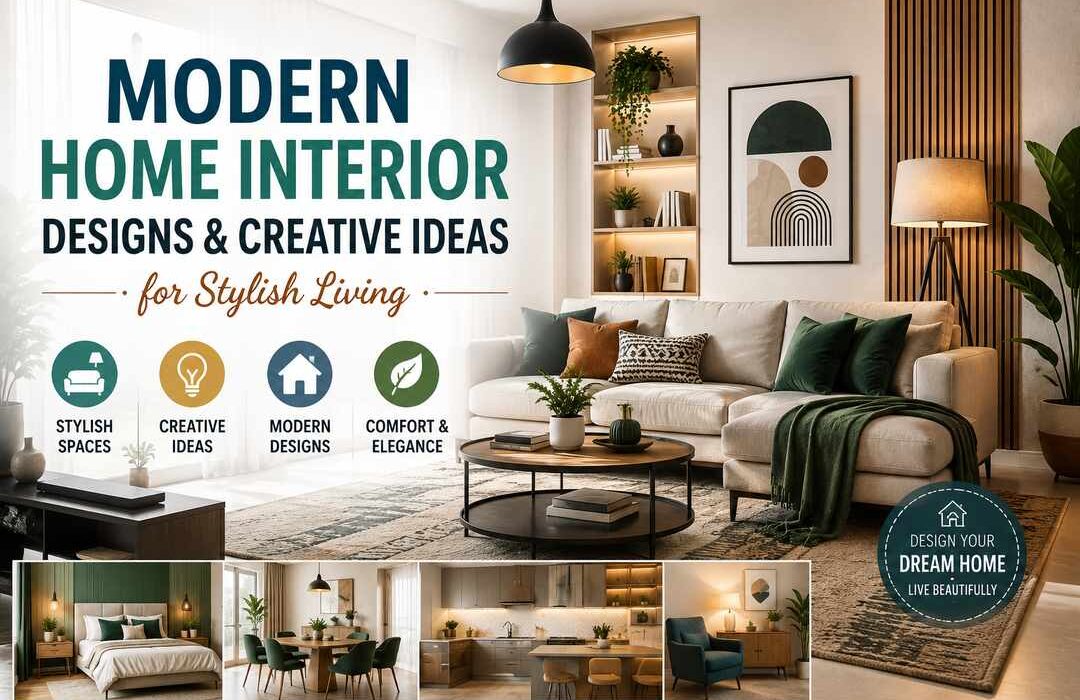
By Modern Home Interior Designs & Creative Ideas for Stylish Living
A modern home is more than just a beautiful collection of furniture, colors, and decorations. It is a reflection of your personality, lifestyle, and the way you want to experience your everyday life. The best modern home interior designs combine style, comfort, functionality, and smart use of space to create interiors that feel welcoming and timeless.
Whether you are decorating a new house, renovating an apartment, or simply refreshing a few rooms, thoughtful interior design can make a remarkable difference. From open layouts and neutral color palettes to natural materials, statement lighting, and multifunctional furniture, there are countless ways to create a stylish home without making it feel overly complicated.
In this guide, we explore practical and creative modern home interior design ideas that can help you transform different areas of your home into comfortable and visually appealing spaces.
What Makes a Modern Home Interior Design?
Modern interior design focuses on simplicity, clean lines, balanced colors, and purposeful decoration. Instead of filling every corner with furniture and accessories, modern interiors give each element enough space to stand out.
A successful modern home usually combines several important elements:
- Clean and simple furniture designs
- Neutral or balanced color schemes
- Functional and uncluttered layouts
- Natural materials and textures
- Effective lighting
- Minimal but meaningful décor
- Smart storage solutions
- Comfortable and practical furniture
The goal is not to create a home that looks empty. Instead, modern design creates a sense of openness while ensuring that every item has a purpose.
1. Choose a Balanced and Timeless Color Palette
Color is one of the easiest ways to establish the character of your home. Modern interiors often begin with neutral shades such as white, beige, cream, gray, taupe, and soft brown.
These colors create a calm foundation and make rooms appear brighter and more spacious. You can then introduce stronger shades through furniture, artwork, rugs, cushions, curtains, or decorative accessories.
For example, a living room with warm white walls can be complemented with a beige sofa, wooden coffee table, black lighting fixtures, and green indoor plants. This creates contrast without making the space feel overwhelming.
If you prefer a more dramatic interior, consider deep navy, charcoal, olive green, or terracotta as accent colors. The key is to maintain balance rather than using too many competing shades.
2. Create an Open and Airy Living Room
The living room is often the heart of a home, making it one of the most important spaces to consider when planning modern home interiors.
Start by selecting furniture that fits the room instead of choosing oversized pieces simply because they look impressive. A streamlined sofa, compact coffee table, comfortable accent chair, and simple entertainment unit can create a sophisticated arrangement.
Keep walking areas clear and avoid placing too many decorative objects on tables and shelves. This helps the room feel larger and more organized.
A large area rug can define the seating zone, while layered lighting can add warmth. Combine ceiling lights with floor lamps, table lamps, or wall lighting to create different moods throughout the day.
3. Use Natural Materials for Warmth
One common misconception about modern interiors is that they need to look cold or overly minimal. Natural materials can add warmth and personality while maintaining a contemporary appearance.
Wood is particularly useful in modern home design. Wooden flooring, cabinets, shelves, coffee tables, wall panels, and furniture can introduce natural texture into an otherwise simple room.
Other materials such as stone, marble, linen, cotton, rattan, glass, and metal can also create interesting combinations.
For instance, pairing a wooden dining table with modern upholstered chairs and a simple pendant light can create an elegant dining area with a warm, inviting atmosphere.
4. Make Your Bedroom Calm and Comfortable
A modern bedroom should feel peaceful rather than overly decorated. Choose a simple bed design with comfortable bedding and maintain a consistent color palette.
Soft neutral colors are particularly effective because they create a relaxing environment. Add texture through cushions, blankets, curtains, rugs, and upholstered furniture.
Consider using built-in wardrobes or furniture with hidden storage to keep clothing and personal items organized. A clutter-free bedroom generally feels more relaxing and visually spacious.
Bedside lighting is another important detail. Wall-mounted reading lights or small bedside lamps can provide practical illumination while contributing to the overall design.
5. Design a Functional and Stylish Kitchen
Modern kitchen design is increasingly focused on combining appearance with functionality. Clean cabinetry, efficient storage, quality countertops, and integrated appliances can create a practical cooking environment.
If you have enough space, a kitchen island can serve multiple purposes. It can provide additional preparation space, casual seating, and storage.
For smaller kitchens, use vertical storage, pull-out cabinets, wall-mounted shelves, and compact appliances. Light-colored cabinets and reflective surfaces can also make a small kitchen appear more open.
Consider combining different textures rather than using one material throughout. For example, matte cabinets, a stone countertop, wooden accents, and metal hardware can create a sophisticated contemporary kitchen.
6. Add Personality Through Statement Lighting
Lighting is one of the most powerful elements in interior design. Even a simple room can look completely different with the right lighting arrangement.
Instead of depending on a single ceiling light, use multiple layers of lighting. Ambient lighting provides general illumination, task lighting helps with specific activities, and accent lighting highlights architectural or decorative features.
A statement pendant light above a dining table or kitchen island can become a focal point. Floor lamps can add warmth to living rooms, while wall lights can enhance bedrooms and hallways.
Warm white lighting is often a good choice for living spaces because it creates a comfortable and welcoming atmosphere.
7. Bring Nature Indoors With Greenery
Indoor plants are an easy and affordable way to improve modern home interiors. They introduce natural color, texture, and freshness without requiring major changes to the room.
Large plants can fill an empty corner, while smaller plants can be placed on shelves, side tables, windowsills, or countertops.
If maintaining plants is difficult, choose low-maintenance varieties or use a limited number of high-quality artificial plants. The objective is to add natural character without creating unnecessary clutter.
Plants also work particularly well with modern materials such as wood, stone, glass, and neutral fabrics.
8. Use Smart Storage to Reduce Clutter
One of the most important modern interior design ideas is effective storage. A stylish room can quickly lose its appeal when surfaces are covered with unnecessary items.
Built-in wardrobes, floating cabinets, storage ottomans, under-bed drawers, wall shelves, and multifunctional furniture can help keep everyday items organized.
In small homes and apartments, use vertical space whenever possible. Tall cabinets and wall-mounted storage can provide valuable capacity without taking up much floor area.
Try to keep frequently used items accessible while storing less-used belongings out of sight. This creates a cleaner and more functional environment.
9. Make Small Spaces Feel Bigger
You do not need a large house to achieve beautiful modern interiors. With thoughtful planning, even a compact room can look spacious.
Start by choosing appropriately sized furniture. Oversized sofas, bulky cabinets, and heavy curtains can make small spaces feel crowded.
Mirrors are another useful design element. A strategically positioned mirror can reflect light and create the visual impression of additional space.
Use a consistent color palette throughout connected areas to improve visual continuity. Furniture with exposed legs and glass or transparent surfaces can also help maintain an open appearance.
10. Create a Stylish Home Office
With flexible work becoming increasingly common, a home office has become an important part of modern home interiors.
You do not necessarily need an entire room. A small desk positioned near a window, a comfortable chair, adequate lighting, and a few storage solutions can create an effective workspace.
Choose a desk that provides enough surface area without dominating the room. Floating desks are particularly useful for compact spaces.
Keep cables organized and use closed storage to hide office supplies. A small plant, artwork, or decorative lamp can add personality without distracting from work.
11. Give Your Dining Area a Modern Touch
A dining area should be comfortable, functional, and visually connected to the rest of the home. Choose a dining table based on the available space and the number of people who regularly use it.
Round tables can work particularly well in smaller rooms because they improve movement around the dining area. Rectangular tables are ideal for larger spaces and family dining.
A statement pendant light positioned above the table can instantly define the area. Add a simple centerpiece, artwork, or natural arrangement to complete the look.
Avoid excessive table décor if you want to maintain a clean modern aesthetic.
12. Don’t Forget the Entryway
The entryway creates the first impression of your home. Even a small entrance can be transformed with a few carefully selected elements.
A slim console table, wall mirror, compact bench, decorative lighting, and a small storage unit can make an entryway both practical and attractive.
Use baskets or closed cabinets to store shoes, keys, bags, and everyday essentials. Keeping these items organized will make the entrance feel cleaner and more welcoming.
13. Mix Textures for a Sophisticated Look
A room can have a neutral color scheme and still feel visually interesting. The secret is to combine different textures.
Consider pairing smooth surfaces with rough or soft materials. For example, a modern sofa can be complemented by a textured rug, wooden table, linen curtains, ceramic accessories, and a soft throw.
Texture adds depth without requiring bright colors. It is especially useful when designing minimalist or neutral interiors.
14. Personalize Your Interior Design
Your home should not look like a showroom. While following modern design principles, make sure the space reflects your personality.
Display artwork you enjoy, photographs, travel souvenirs, books, handmade objects, or other meaningful pieces. The most attractive homes often combine carefully planned design with personal details.
Instead of buying numerous decorative items, select a few pieces that have visual or emotional value. This keeps the space sophisticated while making it feel genuinely yours.
15. Focus on Function Before Decoration
One of the biggest mistakes people make when decorating a home is choosing appearance over practicality. Beautiful furniture is not useful if it makes movement difficult or does not meet your everyday needs.
Before purchasing anything, consider how the space will be used. Think about storage requirements, seating, lighting, cleaning, maintenance, and movement.
A modern home interior should make everyday life easier. When functionality and aesthetics work together, the result is both beautiful and comfortable.
How to Plan Your Modern Home Interior
Before beginning a renovation or purchasing furniture, create a basic plan. Measure your rooms and identify the furniture you already own that you want to keep.
Next, decide on a general design style and color palette. Collect inspiration images and identify recurring elements you like, such as wooden finishes, neutral colors, minimalist furniture, or statement lighting.
Create a realistic budget and prioritize important purchases. High-quality flooring, comfortable seating, good lighting, and functional storage may be more valuable than numerous decorative accessories.
Finally, introduce décor gradually. A home does not need to be completed in one day. Adding pieces over time allows you to create a more personalized and cohesive interior.
Final Thoughts
Modern home interior design is ultimately about creating a space that looks stylish while supporting the way you live. Clean layouts, balanced colors, natural materials, practical storage, thoughtful lighting, and personal décor can work together to create a comfortable and sophisticated home.
You do not need an enormous budget or a large house to achieve a modern look. Small changes such as rearranging furniture, introducing greenery, updating lighting, adding textures, or improving storage can make a noticeable difference.
The best modern home interior designs are not simply based on trends. They combine timeless aesthetics with everyday functionality and personal character. Whether you are designing a complete home or updating a single room, focus on creating a space that feels comfortable, organized, and truly yours.
With the right combination of creativity and planning, your home can become a stylish reflection of your lifestyle while remaining practical for everyday living.