
 By
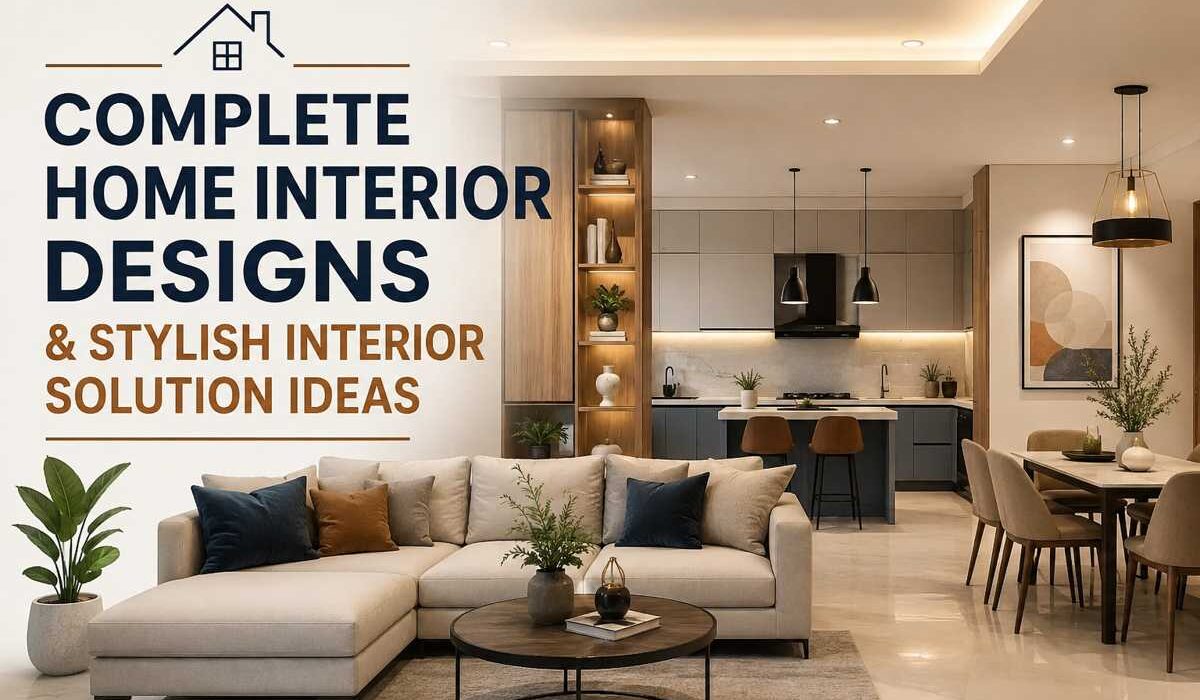
By Complete Home Interior Designs & Stylish Interior Solution Ideas
A beautiful home is not simply about expensive furniture, trendy colours, or decorative accessories. The best home interior design brings together style, comfort, functionality, storage, lighting, and personal taste to create a space that feels right for everyday living. Whether you are designing a new apartment, renovating an independent house, or refreshing selected rooms, a thoughtful interior plan can transform the way your home looks and works.
Modern homeowners are increasingly looking for interiors that are practical as well as attractive. Current design thinking places greater emphasis on warm colours, natural materials, multipurpose spaces, layered lighting, and personalised décor rather than simply following short-lived trends.
This guide explores complete home interior designs and stylish interior solution ideas for every important area of your home, along with practical tips for creating an elegant, comfortable, and functional interior.
What Is Complete Home Interior Design?
Complete home interior design means planning the entire home as one coordinated space instead of decorating individual rooms independently. It can include everything from the entrance and living room to the kitchen, bedrooms, bathrooms, dining area, balcony, home office, and storage spaces.
A successful interior design generally considers four important factors:
- Functionality: Every space should support your daily activities.
- Aesthetics: Colours, furniture, finishes, and décor should create a pleasing visual appearance.
- Comfort: Furniture, lighting, ventilation, and room layouts should make everyday life easier.
- Durability: Materials and finishes should be selected according to usage, maintenance, and lifestyle.
A complete home interior may include modular kitchens, wardrobes, TV units, false ceilings, wall treatments, custom furniture, lighting, storage solutions, flooring, and decorative elements.
1. Stylish Living Room Interior Design Ideas
The living room is often the first space guests see, making it an important part of your home interior design. However, it should not be designed only for appearance. It should also provide comfortable seating and enough space for family activities.
A contemporary living room can combine a comfortable sofa with a stylish centre table, area rug, TV unit, accent wall, and carefully planned lighting. Instead of filling the room with furniture, maintain sufficient open space for easy movement.
A modern TV unit design can become the focal point of the room. Floating cabinets, wooden panels, textured walls, open shelves, and concealed storage can create an attractive feature while keeping everyday items organised.
For a warmer appearance, consider natural wood, earthy shades, textured fabrics, indoor plants, and soft lighting. Layered lighting is particularly useful because ceiling lights alone may make a room feel flat. Combining ambient, task, and accent lighting can create different moods throughout the day.
2. Modern Modular Kitchen Interior Solutions
The kitchen should be designed around how you cook, store ingredients, clean, and move around the space. A stylish kitchen that lacks functional storage can quickly become inconvenient.
A modular kitchen design can maximise available space through carefully planned cabinets and drawers. Depending on the room, popular layouts include L-shaped, U-shaped, straight, parallel, and island kitchens.
Some useful kitchen interior solutions include:
- Tall cabinets for rarely used appliances
- Deep drawers for cookware
- Dedicated pantry storage
- Corner storage systems
- Under-sink organisers
- Built-in appliance spaces
- Easy-to-clean backsplashes
- Durable countertops
- Under-cabinet task lighting
For smaller homes, vertical storage can be especially valuable. Instead of using every wall for decoration, use selected areas for practical cabinetry.
The colour scheme can also influence the visual size of a kitchen. Light cabinetry can make compact spaces appear more open, while darker colours can add depth when balanced with sufficient lighting.
3. Elegant Master Bedroom Interior Design
The bedroom should feel calm, comfortable, and personal. Rather than overcrowding it with decorative furniture, concentrate on the elements that have the greatest impact: the bed, wardrobe, lighting, colour palette, window treatments, and storage.
A stylish master bedroom can feature an upholstered or wooden bed, a statement headboard wall, bedside tables, a full-height wardrobe, and warm ambient lighting.
For a sophisticated appearance, choose a limited colour palette and repeat selected materials throughout the room. Soft beige, warm grey, muted green, earthy brown, and cream can create a relaxing atmosphere.
A custom wardrobe design can provide storage for clothing, accessories, luggage, shoes, and other personal items while keeping the bedroom visually organised.
If space permits, you can also create a compact dressing area, study corner, or reading nook. Multipurpose interiors are increasingly important as homeowners expect rooms to perform more than one function.
4. Smart Bedroom Design for Children and Guests
Children’s bedrooms require a balance between safety, storage, comfort, and flexibility. Instead of creating a highly themed room that may quickly become outdated, consider a neutral base with colourful accessories that can be changed easily.
A functional kids’ bedroom might include:
- A comfortable bed
- Study desk and ergonomic chair
- Open and closed storage
- Bookshelves
- Toy organisers
- Wardrobe
- Easy-to-clean flooring
- Appropriate task lighting
Guest bedrooms can follow a simpler design approach. A comfortable bed, wardrobe, bedside lighting, mirror, and small seating area may be enough.
For both rooms, avoid unnecessary furniture and make sure storage is easily accessible.
5. Dining Room and Foyer Interior Ideas
The dining area does not need to be large to look elegant. The right dining table, lighting fixture, wall décor, and storage can make a compact dining space feel complete.
A pendant light above the dining table can create a visual centre point. A crockery unit or compact cabinet can provide storage for dining essentials while also functioning as a decorative element.
The foyer or entrance area is another opportunity to establish the home’s design style. A slim console table, mirror, shoe storage, wall lighting, and a few carefully selected decorative pieces can create a welcoming entrance without consuming too much space.
6. Functional Bathroom Interior Design
Bathrooms should combine practicality with a clean and relaxing appearance. Since moisture and frequent cleaning are unavoidable, materials should be chosen for durability and easy maintenance.
Large-format tiles can help create a cleaner visual appearance with fewer grout lines. Wall-mounted storage, floating vanities, mirrored cabinets, and concealed shelves can provide useful storage without making the bathroom feel crowded.
Good bathroom lighting is also important. General illumination can be combined with focused lighting around the mirror for grooming tasks.
Neutral colours work well for timeless bathroom designs, while textured tiles, natural stone finishes, metallic accents, or statement mirrors can add character.
7. Space-Saving Interior Solutions for Small Homes
Small homes require thoughtful planning because every square metre matters. Instead of simply adding more storage, the goal should be to use space efficiently without making the home feel cramped.
Some practical space-saving interior design ideas include:
- Wall-mounted TV units
- Built-in wardrobes
- Storage beds
- Foldable dining tables
- Multipurpose furniture
- Sliding doors
- Vertical cabinets
- Floating shelves
- Window seating with storage
- Modular furniture
Mirrors can also help reflect light and visually expand a room. However, avoid covering every wall with mirrors. One strategically placed mirror can be more effective than several decorative ones.
Furniture scale matters too. Oversized sofas or bulky cabinets can make a small room feel congested. Choose furniture according to the room’s dimensions and maintain comfortable circulation.
8. Choosing the Right Colours for Your Home
Colour is one of the easiest ways to influence the mood and character of an interior. Instead of choosing a different colour scheme for every room, consider developing an overall palette.
A simple approach is to select:
One dominant colour + one secondary colour + one accent colour.
Warm neutrals such as beige, cream, sand, taupe, and soft brown can create an inviting foundation. Earthy greens, terracotta, muted blues, or deeper shades can then be introduced through furniture, artwork, cushions, curtains, or accent walls.
Current interiors are increasingly moving toward warmer, more personal colour palettes rather than overly clinical white spaces.
The important thing is not to follow a trend blindly. Choose colours that complement your home’s natural light, furniture, flooring, and personal preferences.
9. Lighting Ideas for Modern Home Interiors
Lighting can completely change how an interior looks. A well-designed lighting plan should consider how each room is used at different times of day.
Use three basic lighting layers:
Ambient lighting provides general illumination.
Task lighting focuses on activities such as cooking, reading, working, or grooming.
Accent lighting highlights architectural details, artwork, shelves, textures, or decorative features.
For example, a living room might combine ceiling lights, floor lamps, wall lights, and concealed LED lighting. A kitchen may require brighter task lighting around worktops. Bedrooms generally benefit from softer ambient and bedside lighting.
Layered lighting is a particularly strong design principle because it allows a room to shift from bright and functional during the day to warm and relaxing in the evening.
10. Natural Materials and Personalised Décor
Modern interiors do not have to look cold or overly manufactured. Wood, stone, cane, clay, linen, cotton, and other tactile materials can introduce warmth and visual depth.
Natural materials can also be combined with contemporary furniture to create an interior that feels modern without becoming impersonal.
Personal décor is equally important. Family photographs, artwork, books, travel souvenirs, handcrafted objects, and meaningful accessories can make a home feel genuinely yours.
Interior design trends in 2026 increasingly emphasise personality, storytelling, craftsmanship, and spaces that feel lived-in rather than perfectly staged.
11. How to Plan a Complete Home Interior Project
Before starting renovation or purchasing furniture, create a complete plan. Begin by measuring every room and identifying electrical points, windows, doors, plumbing locations, and structural limitations.
Then determine your priorities.
For example:
- Decide your preferred design style.
- Prepare a room-by-room requirements list.
- Establish a realistic budget.
- Plan furniture placement.
- Select materials and finishes.
- Finalise lighting and electrical requirements.
- Plan storage.
- Choose furniture and décor.
- Review the complete design before execution.
Budgeting should include not only furniture and finishes but also installation, electrical work, hardware, transportation, labour, and possible unexpected expenses.
It is also wise to prioritise functionality before decorative upgrades. A well-designed wardrobe or efficient kitchen storage can deliver more everyday value than expensive décor.
12. Common Home Interior Design Mistakes to Avoid
Even attractive design ideas can fail when they are not adapted to the actual home.
One common mistake is following trends too closely. A design that looks impressive online may not necessarily work with your family’s lifestyle, room size, climate, or maintenance requirements.
Another mistake is insufficient storage. Before finalising the design, consider where you will store clothing, kitchen equipment, cleaning supplies, documents, shoes, luggage, and everyday items.
Overcrowding is another issue. Every room needs breathing space. Instead of filling empty areas simply because they are available, leave enough open space for comfortable movement.
Poor lighting planning can also reduce the impact of otherwise beautiful interiors. Electrical points and lighting should be planned before construction or carpentry work begins.
Finally, avoid choosing materials based only on appearance. Consider durability, cleaning requirements, maintenance, and long-term use.
Conclusion
A successful complete home interior design is a combination of beauty, comfort, functionality, and thoughtful planning. From stylish living rooms and modular kitchens to practical bedrooms, organised bathrooms, efficient storage, and layered lighting, every element should work together as part of one cohesive home.
The most effective interior solution ideas are not necessarily the most expensive ones. They are the ideas that solve real problems while improving the appearance and comfort of the space.
Whether you prefer contemporary minimalism, warm modern interiors, traditional Indian elements, Scandinavian simplicity, Japandi influences, or an eclectic combination, start with your lifestyle and then build the design around it.
Ultimately, the best home is not the one that simply follows the latest interior design trend. It is the one that looks beautiful, functions effortlessly, reflects your personality, and remains comfortable for years to come.