
 By
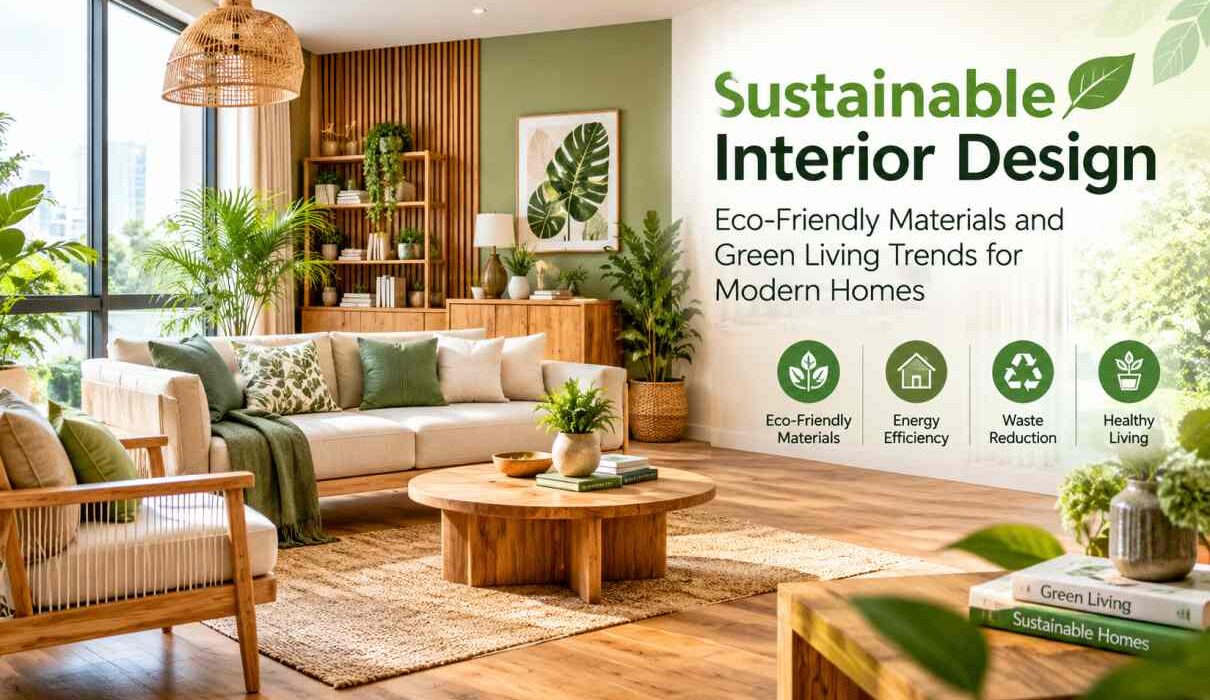
Sustainable Interior Design: Eco-Friendly Materials and Green Living Trends for Modern Homes
Introduction
Sustainable interior design is transforming how homeowners create beautiful, comfortable, and environmentally responsible living spaces. As environmental awareness grows, people are increasingly exploring eco-friendly materials, energy-efficient technologies, and sustainable home decor to reduce their environmental impact without compromising style.
Modern interior design is no longer limited to attractive furniture, luxurious decorations, and fashionable color combinations. Today, homeowners also consider material durability, indoor air quality, energy consumption, and the environmental impact of their design choices.
From bamboo furniture and recycled materials to natural lighting and smart home technology, sustainable interior design offers practical solutions for creating healthier and more efficient homes.
In India, where rapid urbanization and changing lifestyles are influencing residential architecture, sustainable home interiors are becoming an important consideration for apartments, villas, and independent houses.
This article explores the latest green living trends, eco-friendly interior materials, and practical sustainable design ideas that can help homeowners create modern living spaces.
What Is Sustainable Interior Design?
Sustainable interior design is an approach to planning and decorating indoor spaces that aims to minimize environmental impact while improving comfort, functionality, and long-term usability.
It involves selecting responsibly sourced materials, reducing waste, improving energy efficiency, and creating indoor environments that support human well-being.
Unlike conventional interior design approaches that may prioritize appearance and initial cost, sustainable design considers the entire lifecycle of products and materials.
This includes manufacturing, transportation, installation, maintenance, and eventual reuse or disposal.
Key Principles of Sustainable Interior Design
The main principles include:
- Resource Efficiency: Using materials and products that minimize unnecessary resource consumption.
- Energy Conservation: Incorporating natural lighting, ventilation, and energy-efficient technologies.
- Waste Reduction: Reusing furniture, recycling materials, and avoiding unnecessary renovations.
- Healthy Indoor Environments: Selecting low-emission finishes and improving ventilation.
- Long-Term Durability: Choosing timeless designs and products that remain functional for years.
By following these principles, homeowners can develop interiors that balance environmental responsibility with modern aesthetics.
Why Sustainable Interior Design Matters in Modern Homes
Sustainable interior design offers several environmental, financial, and lifestyle benefits.
1. Reduces Environmental Impact
Construction materials, furniture manufacturing, and household energy consumption contribute to environmental pressures.
Choosing recycled materials, responsibly sourced wood, and durable furnishings can help reduce resource demand and unnecessary waste.
2. Improves Indoor Air Quality
Some conventional paints, adhesives, and furnishings release volatile organic compounds, commonly called VOCs.
Selecting certified low-emission products and maintaining proper ventilation can help reduce exposure to certain indoor pollutants.
3. Supports Long-Term Savings
Energy-efficient lighting, appliances, and smart controls can reduce electricity consumption.
Although certain sustainable products have higher initial costs, lower operating expenses and longer product lifespans may offer financial benefits over time.
4. Creates Comfortable Living Spaces
Natural daylight, suitable ventilation, comfortable temperatures, and thoughtfully selected materials contribute to pleasant indoor environments.
Sustainable design focuses on improving everyday living rather than simply following decorative trends.
Top Eco-Friendly Materials for Sustainable Interior Design
Material selection is one of the most important elements of environmentally responsible home interiors.
1. Bamboo for Furniture and Decorative Elements
Bamboo is widely used in sustainable furniture, wall panels, flooring, and decorative accessories.
Its relatively rapid growth makes responsibly harvested bamboo an attractive alternative for certain applications.
Bamboo furniture also complements minimalist, contemporary, and nature-inspired interior styles.
However, homeowners should consider the adhesives, finishes, manufacturing processes, and transportation involved when evaluating bamboo products.
2. Reclaimed and Responsibly Sourced Wood
Wood remains a popular material for flooring, cabinets, dining tables, and bedroom furniture.
Reclaimed wood gives previously used timber another purpose while adding distinctive textures and character.
Responsibly sourced new timber can also be an appropriate choice, particularly when verified through credible forest-management certification.
Reclaimed wooden dining tables, shelves, and accent walls can create warm interiors without requiring entirely new materials.
3. Recycled Glass and Metal
Recycled glass can be incorporated into decorative tiles, countertops, lighting fixtures, and accessories.
Recycled aluminum and steel are also useful for furniture frames, hardware, and interior architectural elements.
Using recycled content can reduce demand for virgin raw materials, although environmental benefits depend on processing and transportation.
4. Natural Stone and Clay
Natural stone, terracotta, and clay-based finishes bring earthy textures into modern interiors.
Terracotta tiles, clay pottery, and stone surfaces are particularly suitable for homes inspired by traditional Indian architecture.
Locally sourced materials may also reduce transportation requirements.
Homeowners should compare extraction methods, manufacturing impacts, durability, and maintenance needs before selecting these products.
5. Organic Cotton, Linen, and Other Natural Fabrics
Textiles play an essential role in creating comfortable and welcoming homes.
Organic cotton, linen, wool, and other responsibly produced fabrics can be used for curtains, cushion covers, bedding, and upholstery.
Look for credible certifications and product information rather than assuming every natural fabric is automatically environmentally friendly.
Durable, washable textiles can also reduce replacement frequency.
Sustainable Interior Design Trends for 2026–2027
Modern green home design is increasingly combining natural materials, practical technology, and personalized living spaces.
The following trends are particularly relevant to homeowners planning sustainable interiors.
1. Biophilic Interior Design
Biophilic design focuses on strengthening the connection between indoor spaces and nature.
It incorporates daylight, natural textures, outdoor views, indoor plants, and nature-inspired colors.
Popular ideas include:
- Indoor plants and vertical gardens
- Wooden furniture and natural finishes
- Large windows and outdoor views
- Earthy green and neutral color palettes
- Natural stone and textured surfaces
Indoor plants can improve the visual atmosphere of a room, but they should not replace proper ventilation or air filtration.
2. Minimalist and Functional Interiors
Minimalist interior design encourages thoughtful purchasing and efficient use of available space.
Instead of filling rooms with unnecessary decorations, homeowners select functional furniture and meaningful accessories.
This approach can reduce material consumption while creating organized, visually spacious interiors.
Neutral colors, clean furniture lines, and practical storage solutions are common features.
3. Smart and Energy-Efficient Homes
Smart home technology is becoming increasingly relevant to sustainable interior design.
Automated lighting, programmable thermostats, occupancy sensors, and energy-monitoring devices can help households manage electricity consumption.
For example, motion sensors can switch off lights when rooms are unoccupied.
Smart controls deliver the greatest benefits when correctly configured and combined with efficient appliances.
4. Upcycled Furniture and Vintage Decor
Upcycling involves transforming existing products into useful or decorative items.
Old wooden cabinets can be refinished, while unused furniture may be repaired or adapted for new purposes.
Vintage furniture and second-hand accessories can add personality to interiors while extending product lifespans.
This trend supports creative design without requiring homeowners to purchase everything new.
5. Earthy Colors and Natural Textures
Nature-inspired colors are well suited to sustainable interior spaces.
Popular choices include sage green, terracotta, beige, warm brown, muted olive, and soft cream.
These colors work effectively with wood, bamboo, natural fabrics, and stone.
However, environmental performance depends on the paint formulation and product lifecycle, not the color itself.
Energy-Efficient Lighting for Sustainable Homes
Lighting plays an important role in interior appearance, comfort, and electricity consumption.
Maximize Natural Daylight
Well-positioned windows, reflective surfaces, and suitable window treatments can improve daylight distribution.
Light-colored walls may help distribute available daylight more evenly throughout a room.
In warmer Indian climates, shading devices and appropriate glazing are important for limiting unwanted solar heat.
Install LED Lighting
LED lights generally consume significantly less electricity than traditional incandescent bulbs.
They are available in different brightness levels and color temperatures for bedrooms, kitchens, living rooms, and workspaces.
Selecting suitable fixtures and avoiding excessive lighting can further reduce energy consumption.
Use Smart Lighting Controls
Dimmers, timers, and occupancy sensors allow lighting to respond to household requirements.
These technologies can help prevent unnecessary electricity use while maintaining convenience.
Sustainable Furniture Ideas for Modern Homes
Furniture selection significantly influences the environmental footprint of home interiors.
Choose Durable Furniture
Well-constructed furniture can remain useful for many years.
Solid construction, repairable components, and replaceable upholstery are valuable features when evaluating long-term sustainability.
Invest in Multifunctional Designs
Multifunctional furniture is particularly useful in compact apartments.
Examples include storage beds, extendable dining tables, foldable desks, and sofas with integrated storage.
These products can reduce the need for additional furniture while improving space efficiency.
Support Local Furniture Manufacturers
Purchasing locally manufactured furniture can support regional craftsmanship and may reduce transportation distances.
However, buyers should also consider raw material sourcing, manufacturing practices, and product quality.
Eco-Friendly Interior Design Ideas for Different Rooms
Sustainable design principles can be incorporated throughout the home.
Sustainable Living Room Design
The living room provides opportunities to combine comfort, natural materials, and energy-efficient technology.
Choose durable sofas, responsibly sourced wooden furniture, LED lighting, and washable cushion covers.
Second-hand decorative accessories and refurbished furniture can add character while reducing unnecessary purchases.
Eco-Friendly Bedroom Interiors
Bedrooms benefit from comfortable lighting, appropriate ventilation, and low-emission furnishings.
Consider durable bed frames, washable bedding, low-VOC paints, and curtains that help manage daylight.
Selecting high-quality mattresses and furniture with long service lives can reduce replacement waste.
Sustainable Kitchen Design
Kitchen interiors should prioritize durability, efficient appliances, and practical waste management.
Energy-efficient refrigerators, LED task lighting, and water-saving fixtures can improve household resource efficiency.
Durable countertops, repairable cabinetry, and clearly organized recycling storage are also useful.
Green Bathroom Design
Bathrooms offer several opportunities for conserving water and energy.
Low-flow taps, water-efficient showerheads, and suitable dual-flush toilets can reduce water consumption.
Long-lasting tiles, moisture-resistant finishes, and proper ventilation help maintain bathroom durability.
Sustainable Interior Design for Indian Homes
Indian homeowners face different design considerations depending on regional climate, building orientation, and available space.
In hot regions, appropriate shading, ceiling fans, reflective finishes, and effective ventilation can improve comfort.
In humid climates, moisture-resistant materials and reliable ventilation are particularly important.
Traditional Indian materials such as terracotta, locally sourced stone, and responsibly produced wooden furniture can complement contemporary interiors.
Handcrafted furnishings, woven textiles, and regional decorative products can also create distinctive spaces.
For apartments, modular storage and multifunctional furniture help maximize limited floor areas.
A climate-responsive approach is generally more effective than applying identical design solutions to every home.
How to Create a Sustainable Home Interior on a Budget
Sustainable interior design does not always require expensive renovations.
Homeowners can begin with small improvements that reduce waste and improve efficiency.
Start With Existing Furniture
Repair, repaint, or reupholster usable furniture before purchasing replacements.
Upgrade Lighting
Replace frequently used inefficient bulbs with suitable LEDs.
Select Long-Lasting Materials
Prioritize durability and maintenance requirements when purchasing furniture, flooring, or fixtures.
Reduce Decorative Waste
Choose fewer, more versatile accessories rather than frequently replacing decorative items.
Improve Ventilation
Use appropriate natural or mechanical ventilation to manage indoor pollutants and moisture.
These affordable improvements can make sustainable home design more accessible.
Common Mistakes to Avoid in Green Interior Design
Not every product advertised as environmentally friendly delivers meaningful environmental benefits.
One common mistake is assuming that natural materials are always sustainable.
Another is replacing functional furniture simply to achieve a fashionable green aesthetic.
Homeowners should also avoid relying entirely on marketing labels without examining certifications, durability, and manufacturing information.
Excessive indoor greenery can create maintenance or moisture problems when plants are poorly positioned or overwatered.
A successful sustainable interior focuses on measurable improvements, practical functionality, and responsible consumption.
Future of Sustainable Interior Design
The future of sustainable interior design will likely involve closer integration between environmental responsibility