
 By
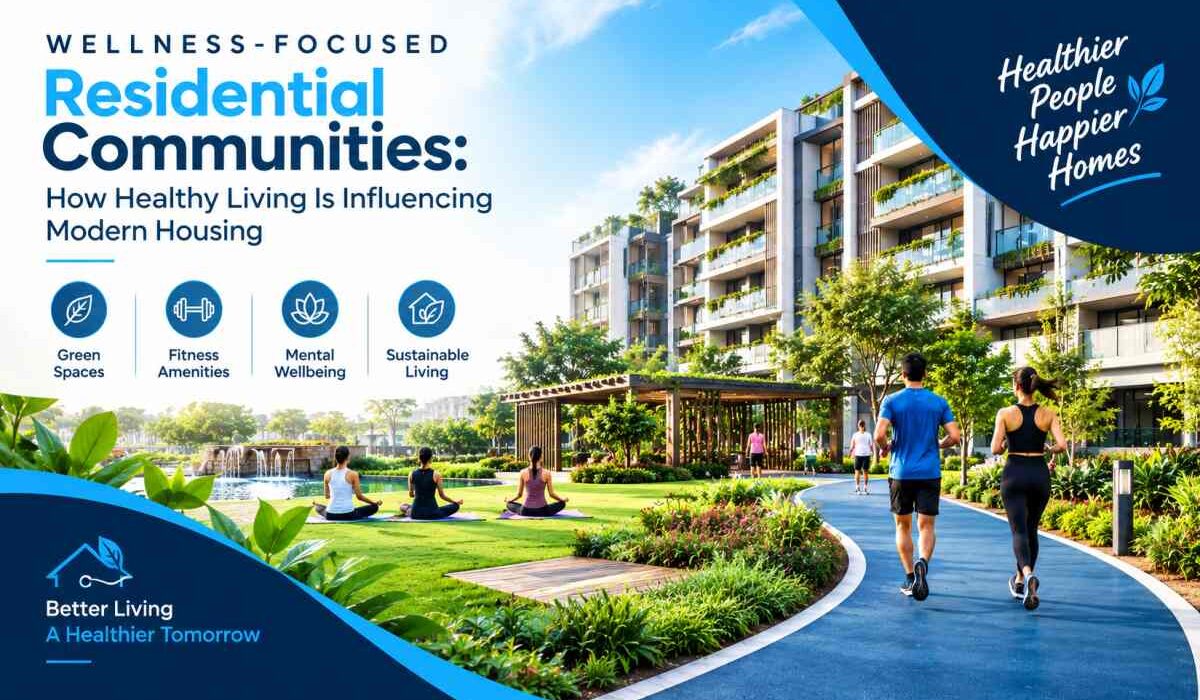
Wellness-Focused Residential Communities: How Healthy Living Is Influencing Modern Housing
The concept of modern housing is changing rapidly as homebuyers increasingly prioritize health, comfort, and overall well-being. Today, residential properties are no longer evaluated only by location, size, architectural design, or luxury amenities. People are also looking for living environments that support physical fitness, mental relaxation, environmental sustainability, and healthier everyday routines.
This growing preference has encouraged developers to introduce wellness-focused residential communities, a housing concept that integrates health-conscious design, natural surroundings, recreational facilities, and smart technology into everyday living.
In India, urbanization, changing lifestyles, and greater awareness of environmental quality are influencing residential property preferences. Homebuyers are showing interest in communities offering landscaped gardens, walking tracks, fitness centers, improved ventilation, and peaceful outdoor spaces.
As residential real estate evolves, wellness-oriented housing is emerging as an important direction for future developments.
This article explores how wellness-focused residential communities are transforming modern housing, their major features, potential benefits, and their growing relevance in the Indian real estate market.
What Are Wellness-Focused Residential Communities?
Wellness-focused residential communities are housing developments designed to support healthier lifestyles through architecture, amenities, environmental planning, and community engagement.
Unlike conventional residential projects that primarily emphasize accommodation and basic recreational facilities, wellness-oriented developments consider how the surrounding environment influences residents’ physical, mental, and social well-being.
These communities may include fitness facilities, meditation spaces, green landscapes, pedestrian-friendly pathways, and environmentally responsible building systems.
The objective is to create an environment where residents can maintain healthy routines without traveling far from home.
For example, a wellness-oriented apartment complex might provide jogging tracks, yoga gardens, natural ventilation, bicycle parking, and shared recreational areas.
However, wellness housing is not defined simply by having a gym or swimming pool. Its effectiveness depends on how thoughtfully these features are integrated into the overall residential environment.
Why Wellness-Focused Housing Is Gaining Attention in India
India’s residential property market is experiencing changing expectations as buyers increasingly consider lifestyle quality alongside affordability and location.
Several factors are encouraging interest in wellness housing in India.
1. Growing Awareness of Healthy Living
People are becoming more conscious of the relationship between daily habits and long-term well-being.
Regular physical activity, access to outdoor spaces, sufficient sleep, and comfortable indoor environments are increasingly important considerations.
Residential communities that make these activities convenient may appeal to health-conscious buyers.
2. Increasing Urbanization
Urban residents frequently experience traffic congestion, noise, limited greenery, and crowded public spaces.
Well-planned residential communities can provide quieter surroundings and accessible recreational facilities.
Although residential amenities cannot eliminate urban environmental challenges, they can improve everyday comfort.
3. Changing Work and Lifestyle Patterns
Remote and hybrid working arrangements have increased the importance of comfortable home environments for some households.
Residents may now seek dedicated workspaces, outdoor relaxation areas, and facilities supporting exercise during the day.
4. Greater Interest in Sustainable Housing
Environmental sustainability and personal well-being often overlap.
Energy-efficient buildings, green landscaping, responsible water management, and better indoor air quality can support both environmental objectives and comfortable living.
Key Features of Wellness-Focused Residential Communities
Modern wellness-oriented housing projects combine architectural planning with lifestyle facilities.
The following features are particularly relevant to the development of healthier residential environments.
1. Green Spaces and Natural Landscaping
Greenery is one of the most recognizable characteristics of wellness-focused residential communities.
Developers may incorporate landscaped gardens, shaded courtyards, community parks, rooftop gardens, and tree-lined walking pathways.
These areas provide opportunities for relaxation, outdoor activities, and social interaction.
Green landscapes can also improve the visual appeal of residential developments and help reduce localized heat when designed appropriately.
In Indian cities, where access to public green spaces can be limited, thoughtfully maintained residential gardens may be especially valuable.
Native plants, appropriate tree species, and water-efficient landscaping can further improve environmental performance.
2. Fitness and Physical Activity Facilities
Physical activity is an important component of healthy living.
Wellness-oriented residential communities frequently include amenities that encourage movement throughout the day.
Popular facilities include:
- Walking and jogging tracks
- Cycling pathways
- Indoor fitness centers
- Yoga and stretching areas
- Swimming pools
- Outdoor exercise stations
- Multipurpose sports courts
These amenities can make regular exercise more convenient for residents.
However, accessibility, maintenance, and affordability are essential. Facilities should accommodate different age groups and physical abilities rather than focusing exclusively on intensive fitness activities.
3. Better Indoor Air Quality and Ventilation
Indoor environmental quality is a major consideration in modern residential architecture.
Poor ventilation, excessive moisture, and indoor pollutants can affect comfort and health.
Healthy living homes can incorporate appropriate ventilation systems, low-emission building materials, moisture control, and effective air filtration where necessary.
Natural cross-ventilation may also improve indoor comfort when outdoor air quality and climate conditions permit.
Developers should consider local pollution levels, seasonal weather, and building orientation when planning ventilation strategies.
Well-designed systems require regular maintenance to remain effective.
4. Natural Lighting and Comfortable Interiors
Natural daylight plays an important role in creating pleasant indoor environments.
Architects can use carefully positioned windows, balconies, courtyards, and suitable building layouts to improve daylight access.
Adequate daylight may support residents’ daily routines while reducing the need for artificial lighting during daytime hours.
However, large windows alone do not guarantee comfortable interiors.
Shading devices, appropriate glazing, insulation, and thoughtful orientation are necessary to control unwanted heat gain and glare.
The best residential designs balance daylight, privacy, thermal comfort, and energy efficiency.
The Role of Smart Technology in Wellness Housing
Technology is becoming an important part of wellness-focused residential communities.
Smart home systems can help residents monitor and manage selected aspects of their indoor environments.
Smart Air Quality Monitoring
Indoor air quality sensors can measure indicators such as particulate matter, carbon dioxide, temperature, and humidity.
When connected to suitable ventilation or filtration equipment, these systems may help residents identify and address environmental concerns.
Intelligent Lighting Systems
Smart lighting can adjust brightness according to occupancy, available daylight, or household preferences.
Well-designed lighting supports comfort and may reduce unnecessary electricity consumption.
Automated Temperature Control
Smart thermostats and connected cooling systems can help maintain comfortable indoor temperatures.
In India’s varied climate conditions, energy-efficient cooling strategies are especially relevant.
Water Management Technology
Smart water meters, leak detection systems, and efficient irrigation controls can reduce water wastage.
These technologies support sustainable residential operations while helping communities monitor resource consumption.
Importantly, smart technology should complement good architectural design rather than compensate for poorly planned buildings.
Mental Well-Being and Peaceful Residential Environments
Wellness-focused housing considers mental well-being alongside physical activity.
Modern urban lifestyles can involve significant noise, crowded surroundings, and limited opportunities for relaxation.
Residential planning can address some of these challenges through quieter outdoor spaces, comfortable shared areas, and thoughtful landscape design.
Meditation and Yoga Spaces
Dedicated yoga decks, meditation rooms, and peaceful gardens provide residents with convenient spaces for relaxation and mindfulness activities.
Noise-Reducing Architecture
Acoustic insulation, suitable building materials, and careful separation of noisy facilities from residential units can improve indoor comfort.
Nature-Inspired Design
Biophilic design incorporates natural elements into buildings and shared spaces.
Examples include indoor plants, garden views, natural materials, shaded courtyards, and connections between indoor and outdoor environments.
Such design approaches can make residential spaces feel more welcoming and comfortable.
However, wellness-oriented environments should not be presented as substitutes for professional healthcare or mental health support.
Community Living and Social Wellness
Healthy living involves more than individual fitness and personal comfort.
Social connections and a sense of belonging also contribute to overall well-being.
Wellness-focused residential communities can encourage positive social interaction through shared spaces and organized activities.
Community gardens, multipurpose halls, outdoor seating areas, children’s play spaces, and recreational facilities create opportunities for residents to interact.
Some communities may organize gardening workshops, group fitness sessions, cultural events, and educational programs.
These activities can encourage participation across different age groups.
Inclusive design is particularly important. Accessible pathways, seating, elevators, and recreational facilities help ensure that older adults, children, and residents with disabilities can use shared spaces comfortably.
Sustainable Architecture and Wellness-Focused Residential Design
Sustainability is closely connected with the development of modern wellness housing.
Environmentally responsible architecture aims to reduce resource consumption while creating comfortable living conditions.
Energy-Efficient Building Design
Residential buildings can incorporate efficient lighting, insulation, shading, and cooling systems.
Passive design strategies can help reduce energy demand by responding to local climate conditions.
Rainwater Harvesting
Rainwater harvesting systems collect and store rainwater for suitable uses, subject to treatment requirements and local regulations.
These systems can support responsible water management.
Solar Energy Integration
Rooftop solar installations may help meet part of a residential community’s electricity requirements.
Their suitability depends on roof space, sunlight availability, electricity demand, and project economics.
Sustainable Construction Materials
Low-emission paints, responsibly sourced materials, and suitable recycled products can contribute to more environmentally conscious construction.
Developers should evaluate materials based on verified performance rather than relying only on marketing claims.
By integrating these measures, residential communities can pursue environmental responsibility and healthier living conditions together.
Wellness-Focused Residential Communities for Different Age Groups
An effective wellness community should accommodate residents with different lifestyles, ages, and accessibility needs.
Families With Children
Families may value safe play areas, pedestrian-friendly pathways, shaded outdoor spaces, and recreational facilities.
Child-friendly planning should include appropriate supervision, accessible routes, and separation from vehicle movement.
Working Professionals
Professionals may appreciate quiet workspaces, fitness facilities, reliable internet connectivity, and outdoor relaxation areas.
Convenient amenities can help residents organize daily routines more efficiently.
Senior Citizens
Older residents may benefit from step-free access, elevators, comfortable seating, well-lit pathways, and nearby healthcare services.
Accessible design supports independence and makes residential environments more convenient for everyone.
Multigenerational Households
Communities designed for different generations can include flexible recreational areas, accessible gardens, and shared gathering spaces.
This approach is particularly relevant in India, where multigenerational living remains common.
How Wellness Housing Is Influencing Residential Property Development
Growing interest in healthier living environments is influencing how developers approach residential planning.
Instead of treating recreational amenities as separate additions, some projects are integrating wellness considerations from the earliest design stages.
This can affect building orientation, open-space allocation, landscaping, ventilation, pedestrian circulation, and the placement of community facilities.
Wellness-oriented features may also help developers differentiate their projects in competitive residential markets.
However, their influence on property prices and resale values varies considerably.
Location, construction quality, transport connectivity, legal approvals, maintenance costs, and local housing demand remain important factors.
Homebuyers should therefore evaluate wellness amenities as part of the overall property offering rather than assuming that such features automatically guarantee investment returns.
Challenges in Developing Wellness-Focused Residential Communities
Despite their potential advantages, wellness-oriented housing projects face several practical challenges.
Higher Development and Maintenance Costs
Specialized landscaping, advanced building systems, and extensive recreational facilities may increase construction and operating expenses.
These costs can affect property prices and monthly maintenance charges.
Limited Space in Urban Locations
High-density cities often have limited land available for large parks and outdoor facilities.
Developers may need to use compact courtyards, rooftop spaces, and multipurpose recreational areas.
Long-Term Maintenance Requirements
Gardens, fitness equipment, ventilation systems, and water-management infrastructure require ongoing maintenance.
Poor maintenance can reduce the usefulness of wellness amenities over time.
Affordability and Accessibility
Wellness housing should not be restricted to premium residential developments.
Affordable projects can also incorporate practical features such as natural ventilation, shaded pathways, safe play areas, and accessible shared spaces.
Thoughtful planning can sometimes deliver meaningful improvements without expensive technology.
How to Choose a Wellness-Focused Residential Property
Homebuyers considering wellness-oriented residential developments should carefully evaluate the actual quality of the project.
Important considerations include:
- Green Space Quality: Check whether landscaped areas are accessible, usable, and properly maintained.
- Indoor Comfort: Evaluate ventilation, daylight, noise levels, and thermal comfort.
- Fitness Amenities: Confirm whether recreational facilities are functional and suitable for different age groups.
- Accessibility: Examine pedestrian pathways, elevators, ramps, and shared facilities.
- Environmental Features: Ask about water conservation, energy efficiency, and waste management.
- Maintenance Charges: Understand recurring costs associated with specialized amenities.
- Developer Credibility: Review construction quality, project approvals, and previous developments.
In India, buyers should also verify applicable Real Estate Regulatory Authority (RERA) registration details and relevant project documents.
A residential community should be assessed based on its practical living conditions, not simply its promotional description.
Future of Wellness-Focused Residential Communities in India
The future of wellness-focused residential communities in India is likely to involve closer integration between sustainable architecture, accessible design, and everyday lifestyle amenities.
Several developments could influence upcoming residential projects.
Climate-responsive housing may receive greater attention as cities face increasing heat and changing weather patterns.
Developers may also explore improved indoor air monitoring, pedestrian-friendly layouts, water-efficient landscaping, and flexible community spaces.
Wellness features could gradually become more common across different housing segments, although adoption will depend on affordability and local demand.
The strongest projects will likely be those that combine practical health-supporting design with reliable infrastructure, good connectivity, and reasonable maintenance requirements.
Rather than depending entirely on luxury amenities, future wellness housing may emphasize comfortable, inclusive, and environmentally responsible living.
Conclusion
Wellness-focused residential communities are influencing the future of modern housing by encouraging developers and homebuyers to consider health, comfort, sustainability, and social interaction alongside traditional property features.
From green landscapes and fitness facilities to improved ventilation and accessible shared spaces, wellness-oriented design can make healthier daily routines more convenient.
In India, growing urbanization and changing lifestyle preferences create opportunities for residential developments that prioritize environmental quality and community well-being.
However, the success of wellness housing depends on thoughtful planning, affordability, accessibility, and consistent maintenance.
For homebuyers, choosing a wellness-focused residential property means looking beyond attractive amenities and evaluating how effectively the development supports everyday living.
As residential architecture continues to evolve, healthier and more sustainable communities could become an increasingly important part of India’s housing landscape.
Frequently Asked Questions (FAQs)
1. What is a wellness-focused residential community?
A wellness-focused residential community is a housing development designed to support physical, mental, and social well-being through healthy building design, green spaces, recreational amenities, and accessible community facilities.
2. Are wellness-focused residential properties popular in India?
Wellness-oriented amenities are receiving increasing attention in parts of India’s residential market, particularly in lifestyle-focused and premium developments. However, demand varies by location, budget, and buyer preferences.
3. What amenities are commonly available in wellness residential communities?
Common amenities include landscaped gardens, walking tracks, yoga spaces, fitness centers, sports facilities, children’s play areas, and comfortable community gathering spaces.
4. Are wellness-focused homes more expensive?
Some wellness-oriented projects have higher purchase prices or maintenance charges because of additional facilities and specialized building systems. However, practical wellness features can also be incorporated into affordable housing.
5. Do wellness-focused residential communities offer better investment returns?
Wellness amenities may improve a property’s appeal to certain buyers, but they do not guarantee higher resale values or rental returns. Investment performance depends on location, demand, pricing, construction quality, and other market factors.