
 By
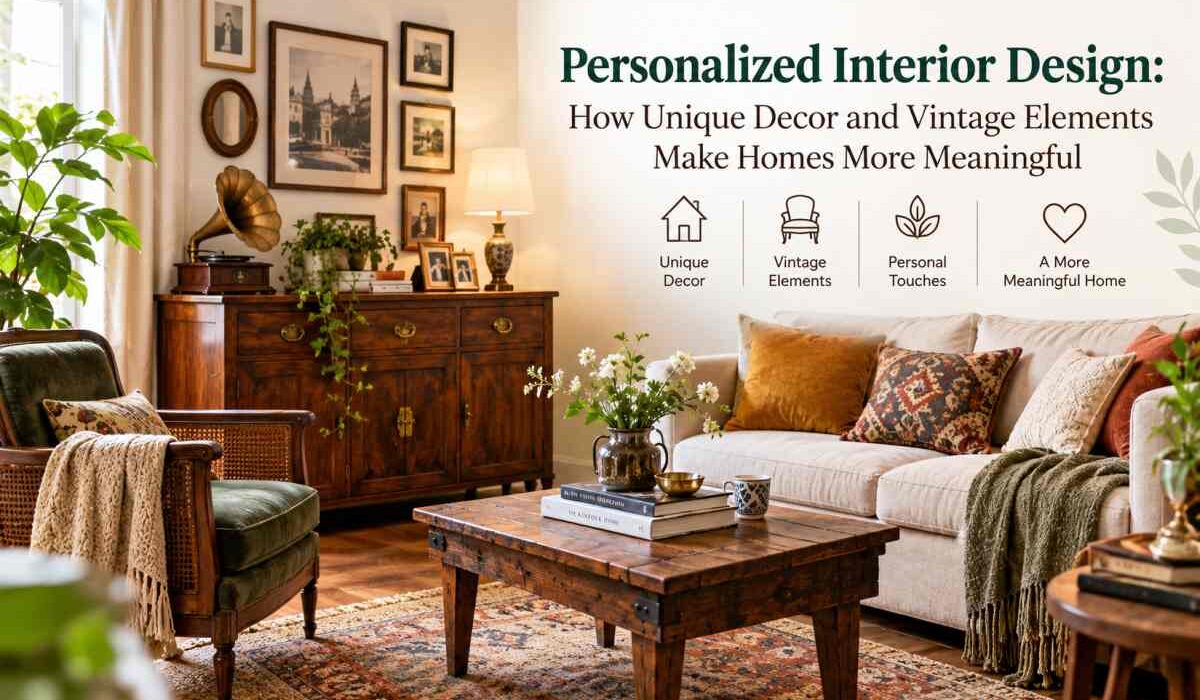
Personalized Interior Design: How Unique Decor and Vintage Elements Make Homes More Meaningful
Modern interior design is no longer just about following trends, choosing attractive furniture, or creating picture-perfect rooms. Homeowners are increasingly looking for spaces that reflect their personalities, celebrate their memories, and express their individual lifestyles. This growing interest in personalized interior design is changing the way people decorate their homes.
Personalized interior design combines unique decor, vintage furniture, meaningful accessories, family heirlooms, handmade objects, and carefully selected colors to create spaces that feel authentic and welcoming. Instead of making every room look like a showroom, this approach focuses on what makes a home special to the people who live in it.
Vintage elements are particularly popular because they introduce character, history, and craftsmanship into modern interiors. An antique wooden cabinet, a collection of travel souvenirs, a handmade rug, or an old family photograph can transform an ordinary room into a place filled with personal meaning.
Whether you live in a compact apartment, a modern house, or a traditional Indian home, personalized interior design offers practical ways to create a distinctive living environment. In this guide, we explore how unique decor and vintage elements can make homes more meaningful, comfortable, and visually appealing.
What Is Personalized Interior Design?
Personalized interior design is an approach to decorating that prioritizes individual preferences, personal experiences, cultural influences, and everyday needs. Rather than copying a standard design style, it combines different elements to create an environment that reflects the homeowner’s identity.
For example, someone who loves traveling might display photographs, maps, handmade souvenirs, and objects collected from different destinations. A person who appreciates traditional craftsmanship might incorporate carved wooden furniture, woven textiles, ceramic pottery, and vintage artwork.
Personalization can appear in every part of a home, including furniture selection, wall colors, lighting, artwork, storage, and decorative accessories.
The main objective is to create a space that looks attractive while also feeling familiar and meaningful. A well-personalized home should tell a story about its residents without sacrificing comfort, functionality, or visual balance.
Why Personalized Interior Design Is Becoming Popular
Homeowners are becoming more interested in designs that feel individual rather than mass-produced. Social media, changing lifestyles, growing environmental awareness, and renewed appreciation for craftsmanship have all contributed to this shift.
1. A Desire for Individuality
Many people want their homes to stand apart from generic interiors. Personalized decor makes it possible to combine colors, furniture, artwork, and accessories according to individual tastes.
A contemporary sofa can sit beside a traditional wooden table, while modern lighting can highlight an antique mirror. These combinations create interiors that feel distinctive rather than predictable.
2. Emotional Connection With Living Spaces
Objects connected to personal experiences often create stronger emotional associations than ordinary decorations. A painting purchased during a memorable trip or a chair inherited from a grandparent can make a room feel special.
These details transform interior design from a purely visual exercise into a way of expressing personal history.
3. Growing Interest in Sustainable Choices
Personalized interiors often encourage homeowners to reuse existing furniture, restore old objects, and purchase secondhand decor. This can reduce unnecessary consumption and extend the useful life of well-made products.
Instead of replacing every item when styles change, homeowners can update their spaces gradually while preserving pieces they value.
4. Appreciation for Craftsmanship
Handmade pottery, woven baskets, carved furniture, embroidered cushions, and locally produced artwork bring distinctive textures and details into a room.
These objects can also support independent makers and traditional craftspeople, making decorating a more thoughtful process.
How Vintage Elements Add Character to Modern Homes
Vintage decor includes older furniture, artwork, lighting, accessories, and decorative objects that bring a sense of history into a living space. These pieces can create visual interest and introduce details that are difficult to replicate with mass-produced products.
Antique and Vintage Furniture
A vintage sideboard, wooden chest, carved chair, or antique coffee table can become the focal point of a room. Such pieces often feature distinctive materials, construction methods, and finishes.
The key is to choose furniture that works with the room’s scale and practical requirements. A large antique cabinet may suit a spacious living room but overwhelm a compact apartment.
Before purchasing vintage furniture, inspect its structural condition, joints, hardware, and signs of damage. Professional restoration may be worthwhile for high-quality pieces.
Vintage Mirrors and Frames
Vintage mirrors can make rooms appear brighter by reflecting natural light. Ornate frames add decorative detail, while simple wooden frames provide a quieter, more understated appearance.
Old picture frames can also be reused to display modern photography, artwork, or family portraits. This combination of old and new helps create a personalized gallery wall.
Retro Lighting and Decorative Accessories
Vintage lamps, brass fixtures, ceramic vases, old clocks, and decorative boxes can introduce warmth and character. Even a few carefully selected accessories can change the atmosphere of a room.
Avoid filling every surface with decorative objects. Giving special pieces enough space allows their design and history to stand out.
Combining Modern and Vintage Interior Design Styles
One of the most effective ways to create a personalized home is to combine contemporary furniture with vintage accents. This approach preserves modern comfort while adding individuality.
Balance Old and New Furniture
A modern sofa can be paired with a vintage coffee table, or a minimalist dining table can be surrounded by restored wooden chairs. The contrast creates visual interest without requiring a complete change in style.
To maintain balance, identify a common feature between the pieces. Similar wood tones, complementary colors, related shapes, or consistent materials can help the combination feel intentional.
Use a Consistent Color Palette
A thoughtful color palette connects different furniture styles. Warm white, beige, terracotta, olive green, navy, and natural wood tones can work well with many vintage finishes.
For example, a room with neutral walls and a contemporary sofa can accommodate an antique cabinet and colorful handmade cushions without appearing crowded.
Mix Textures Carefully
Texture adds depth to personalized interiors. Combine smooth modern surfaces with natural wood, woven fabrics, textured ceramics, linen curtains, or vintage rugs.
A simple living room can feel richer when it includes a soft rug, a wooden side table, a handmade vase, and a few textured cushions.
The objective is not to combine as many materials as possible. Instead, select a few complementary textures that make the room feel comfortable and visually layered.
Meaningful Decor That Tells Your Personal Story
Decor becomes more powerful when it reflects real experiences, relationships, and interests. Instead of purchasing accessories simply because they are fashionable, consider choosing objects that represent something important.
Display Family Photographs and Heirlooms
Family photographs, inherited furniture, handwritten letters, traditional utensils, and treasured objects can preserve memories while becoming part of the home’s design.
Create a small display on a console table, bookshelf, or dedicated wall. Use coordinated frames or a consistent arrangement to keep the collection visually organized.
For delicate heirlooms, consider protection from direct sunlight, moisture, and excessive handling.
Showcase Travel Memories
Travel souvenirs can create a distinctive and personal interior. Handmade ceramics, woven textiles, small sculptures, framed maps, and photographs can remind homeowners of meaningful experiences.
Rather than displaying everything together, organize objects by color, material, destination, or theme. This makes a collection feel curated instead of cluttered.
Include Handmade and Locally Crafted Decor
Handmade products often contain small variations that give them individual character. Pottery, woven baskets, textile art, wooden carvings, and handcrafted lamps can add personality to contemporary rooms.
Choosing locally made products can also connect interior design with regional traditions and support local creative communities.
Create a Personal Reading or Hobby Corner
A home should reflect the activities its residents enjoy. A reading corner might include a comfortable chair, a vintage floor lamp, a small bookshelf, and a favorite collection of books.
Artists might display sketches and supplies, while music enthusiasts could showcase instruments or carefully arranged records. These spaces make a home feel lived-in and genuinely personal.
Personalized Interior Design Ideas for Different Rooms
Every room offers opportunities to introduce unique decor and vintage elements while maintaining everyday functionality.
Living Room
The living room is an ideal place to combine modern furniture with meaningful accessories. Start with comfortable seating, suitable lighting, and a practical layout.
Introduce a vintage coffee table, framed family photographs, handmade cushions, or a statement artwork. A carefully arranged bookshelf can display books alongside small objects collected over time.
Keep walking paths clear and avoid overcrowding the main seating area.
Bedroom
A personalized bedroom should feel restful and private. Soft colors, natural fabrics, warm lighting, and meaningful accessories can help create a relaxing environment.
Consider a vintage bedside table, an antique mirror, embroidered cushions, or artwork connected to personal interests. Matching every item is unnecessary; maintaining a consistent mood is more important.
Keep bedside surfaces relatively simple to support a calm atmosphere.
Kitchen and Dining Area
Kitchens and dining rooms can incorporate vintage character through wooden dining tables, ceramic serving pieces, traditional storage containers, and handmade textiles.
In Indian homes, brass or copper vessels, regional pottery, carved wooden accessories, and traditional fabrics can provide cultural character when used thoughtfully.
Prioritize hygiene and practicality. Decorative objects should not interfere with food preparation, storage, or cleaning.
Entryway
An entryway creates the first impression of a home. A vintage console, a framed photograph, a decorative mirror, or a handmade bowl for keys can make the space feel welcoming.
In smaller homes, wall-mounted shelves and compact furniture help preserve valuable floor space.
Home Office
A personalized home office can combine efficient modern equipment with characterful furniture and artwork. A vintage desk, a restored wooden chair, framed certificates, or a favorite print can make the space feel individual.
However, prioritize ergonomics, task lighting, cable management, and sufficient storage. Decorative choices should support productivity rather than create distractions.
Sustainable Decorating Through Vintage and Reused Furniture
Sustainable interior design is another reason to consider vintage pieces and personalized decor. Reusing furniture can reduce demand for new products and help prevent usable items from becoming waste.
Restoring an old table, repainting a cabinet, replacing damaged upholstery, or repurposing wooden storage can give existing furniture a new role.
Before buying something new, look at what you already own. A dining chair might become a bedroom accent, a wooden trunk could provide storage, or an old frame could hold a contemporary print.
When buying secondhand furniture, assess durability, repair costs, material quality, and suitability for your space. Avoid assuming every old item is automatically environmentally preferable; transportation, restoration materials, and the product’s condition also matter.
Choose durable items that can serve you for years. A personalized home should evolve gradually rather than depend on frequent purchases.
Personalized Interior Design on a Budget
Creating a meaningful home does not require an expensive renovation. Many effective decorating changes involve creativity, rearrangement, and thoughtful selection rather than large budgets.
Repurpose Existing Items
Look through your furniture, photographs, books, fabrics, and accessories before shopping. Moving an existing chair, changing a lampshade, or creating a new display can make a room feel different without significant expense.
Shop Secondhand
Thrift stores, antique shops, flea markets, resale platforms, and local markets may offer distinctive pieces at different price points.
Inspect items carefully and compare the total cost of purchase, transport, cleaning, and repair before deciding.
Try Simple DIY Projects
Painting a frame, refinishing a small table, changing cabinet handles, or arranging a gallery wall can add personal character.
For furniture restoration, use suitable materials and follow product safety instructions, especially when sanding old finishes or working with paints and solvents.
Decorate Gradually
You do not need to complete every room at once. Start with one area and add meaningful objects over time.
This slower approach makes it easier to understand what works, control spending, and avoid unnecessary purchases.
Common Mistakes to Avoid in Personalized Interior Design
Personalized decor works best when it feels intentional. A few common mistakes can reduce the effectiveness of an otherwise thoughtful design.
Overcrowding rooms: Too many accessories can make a space feel chaotic. Display favorite objects and rotate others seasonally or when you want a change.
Mixing styles without a connecting element: Vintage and modern furniture can work together, but a shared color, material, shape, or design theme helps create harmony.
Ignoring functionality: Beautiful furniture should still support daily activities. Maintain comfortable circulation, accessible storage, and suitable lighting.
Buying items only because they are trendy: Personalization is about individual meaning, not collecting every fashionable accessory. Choose objects you genuinely enjoy.
Neglecting maintenance: Vintage furniture may require careful cleaning, repairs, or protection from humidity and sunlight. Plan for the care needed to preserve important pieces.
Copying inspiration too literally: Online photographs can provide useful ideas, but every home has different dimensions, lighting conditions, budgets, and needs. Adapt inspiration to your own environment.
Interior Design Trends Supporting Personal Expression in 2026
Contemporary interior design increasingly accommodates individuality through layered materials, meaningful accessories, craftsmanship, and combinations of different periods and styles.
Several approaches are especially relevant to homeowners seeking personalized spaces.
Warm minimalism: Simple layouts and uncluttered surfaces are combined with natural textures, comfortable furniture, and a few carefully selected personal objects.
Vintage-modern combinations: Older furniture and contemporary accessories are mixed to create interiors with greater depth and individuality.
Natural materials: Wood, linen, stone, ceramics, and woven fibers introduce texture and a connection to natural materials.
Handcrafted details: Handmade pottery, artisan textiles, traditional carving, and locally produced artwork bring character to modern rooms.
Flexible decorating: Homeowners increasingly benefit from spaces that can evolve as their interests, family needs, and lifestyles change.
These approaches are useful sources of inspiration rather than strict rules. The best interior design decisions depend on personal preferences, available space, local climate, maintenance requirements, and budget.
How to Start Your Personalized Interior Design Project
If you want to make your home more meaningful, begin with a simple plan.
First, identify what you want your home to communicate. It might feel calm, creative, culturally connected, family-oriented, or full of travel memories.
Next, examine your existing furniture and belongings. Identify the items you love, the pieces that can be restored, and the objects that no longer serve a useful purpose.
Choose a practical color palette and decide which materials will connect different areas of the room. Select one or two focal pieces, such as a vintage cabinet, artwork, or family heirloom.
Arrange furniture around everyday activities, ensuring there is enough light, storage, and room to move comfortably. Add decorative objects gradually and assess the result before buying more.
Finally, remember that personalization is an ongoing process. A meaningful home can change as you create new memories, discover new interests, and bring new objects into your life.
Frequently Asked Questions
1. What is personalized interior design?
Personalized interior design is an approach that reflects the homeowner’s personality, interests, memories, culture, and lifestyle through furniture, colors, artwork, accessories, and room layouts.
2. How can vintage decor improve modern interiors?
Vintage decor introduces character, distinctive craftsmanship, texture, and historical interest. Combining a few vintage pieces with modern furniture can create a balanced and visually engaging living space.
3. Is personalized interior design expensive?
No. It can be achieved on almost any budget by rearranging existing furniture, displaying meaningful objects, shopping secondhand, restoring old pieces, and adding affordable handmade accessories.
4. How do I mix vintage and modern furniture successfully?
Choose a connecting element such as color, material, shape, or finish. Balance distinctive vintage pieces with simpler modern furniture, and consider the room’s scale, lighting, and functionality.
5. Is vintage furniture a sustainable choice?
Reusing durable furniture can extend its life and reduce demand for new products. However, sustainability also depends on the item’s condition, restoration requirements, transport, and long-term usefulness.
6. How can I personalize a small home?
Use wall displays, compact vintage furniture, meaningful artwork, multifunctional storage, and carefully selected accessories. Avoid overcrowding surfaces and maintain clear walking paths.
7. Which decor items make a home feel more meaningful?
Family photographs, heirlooms, handmade pottery, travel souvenirs, books, original artwork, and objects associated with important experiences can make a home feel personal and memorable.
Conclusion
Personalized interior design is about creating a home that reflects the people who live in it. By combining unique decor, vintage furniture, handmade accessories, family heirlooms, and contemporary design elements, homeowners can build spaces that are both attractive and emotionally meaningful.
Vintage pieces add history and character, while personal collections and carefully chosen artwork bring individual stories into everyday surroundings. These details can make even a simple room feel distinctive without requiring an expensive renovation.
The most successful personalized interiors balance creativity with comfort, functionality, and thoughtful organization. They evolve naturally over time as homeowners collect memories, discover new interests, and adapt their spaces to changing needs.
Whether you begin with a restored wooden cabinet, a gallery wall of family photographs, or a collection of handmade accessories, small choices can have a lasting impact. Ultimately, a meaningful home is not defined by how closely it follows a design trend, but by how well it reflects your life, values, and personality.